
Every home should be a safe sanctuary where comfort is guaranteed. Yet, for many homeowners, this peace of mind is challenged by tiny, uninvited guests looking for food and a warm place to sleep. Managing these unwanted visitors is often reactive. A homeowner spots a trail of ants in the kitchen or a spider in the bathroom, panics, and reaches for a spray can. This reactive method is like trying to put out a fire after it has already consumed the living room. It addresses the symptom rather than the cause, leaving the property vulnerable to future invasions.
A far more effective approach involves shifting the focus from inside the home to the outside world. This is known as the perimeter defense strategy. By establishing a robust, multi-layered barrier around the exterior of a house, property owners can stop invaders before they cross the threshold. Implementing this kind of proactive system requires a solid understanding of how invaders move, what attracts them, and where vulnerabilities lie in a structure. A comprehensive strategy blends physical barriers, property maintenance, and targeted treatments into a unified shield. When properly executed, this method reduces the need for chemical applications inside living spaces and provides long-term peace of mind. Investing time into understanding the perimeter can completely change how a household approaches modern pest control.
The Outer Ring: Managing the Greenery
The first line of defense begins at the very edge of the property line. Yard design and maintenance determine whether a property attracts or deters unwanted critters. Thick brush, tall grass, and unkempt garden beds provide the perfect cover for small creatures to hide, breed, and move closer to a house undetected. When vegetation grows right up against the foundation, it creates a natural bridge that invites crawling insects and small mammals directly onto the structure.
To break this bridge, homeowners must look closely at their choices regarding landscaping. Keeping turf cut short and trimming the lower branches of shrubs creates an open, exposed zone that most small creatures prefer to avoid. It is wise to maintain a clear gap of at least two feet between any plants and the side of the house. Replacing thick organic wood mulch with crushed stone or gravel right next to the foundation can make a huge difference. Wood mulch retains moisture and rots over time, creating an ideal environment for moisture-loving bugs. Stone dries quickly and offers no nutritional value or comfortable shelter for invading organisms.
High-Level Protection: Canopies and Branches
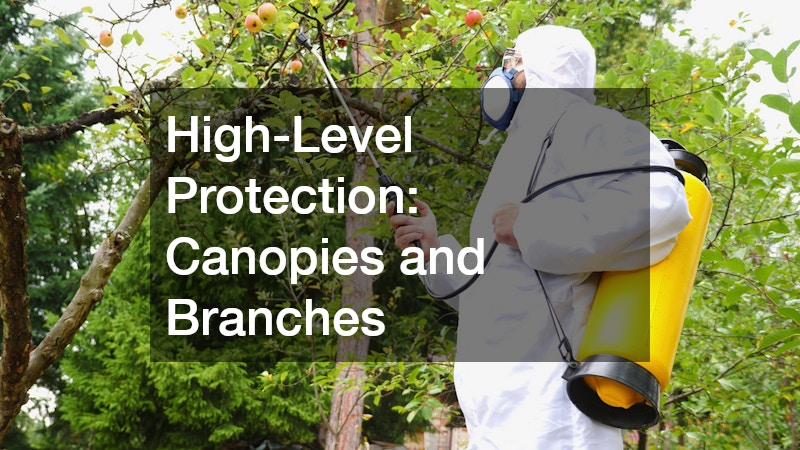
While ground-level maintenance is critical, looking upward is equally important when securing a home. Tall trees with long, overhanging branches present a unique set of challenges for residential security. When a branch touches a roofline or rubs against a window screen, it serves as a literal highway for climbing insects and rodents. Squirrels, rats, and ants are highly skilled climbers that will happily use these aerial pathways to bypass ground-level barriers entirely once they discover them.
Regularly pruning branches so they remain at least six feet away from the roof is an essential defensive step. However, the health of the trees themselves also matters. Weak or dying trees often attract wood-boring insects and other organisms that can quickly multiply and spread to nearby structures. In many cases, addressing these hidden issues requires specialized care to eliminate the source of the problem before bugs migrate toward the family home. Utilizing professional tree spraying can help keep these large plants healthy, resilient, and free of the specific organisms that might otherwise use them as a breeding ground. By keeping the canopy healthy and physically separated from the house, homeowners effectively shut down the aerial routes that many common invaders rely on for easy access.
Air Defenses: Managing Stinging Insects
As the weather warms up, the threats to a home’s perimeter can often take flight. Stinging insects are notorious for setting up camp right where humans like to relax. Eaves, porch ceilings, shutters, and deck undersides offer excellent protection from the elements, making them prime real estate for nests. A small, unnoticed colony can rapidly expand into a safety hazard for children, pets, and anyone with severe allergies.
Preventing these flying insects from establishing a foothold requires regular inspections of the high corners of a house. Early in the spring, looking for small, umbrella-shaped paper structures or mud tubes can save a lot of trouble later in the summer. Once a nest becomes large and active, trying to remove it without the right protective gear and knowledge can be dangerous. When a colony becomes too aggressive or is built in an unreachable spot, turning to professional wasp removers is the safest choice to handle the situation without risking painful stings. These specialists have the tools to safely neutralize the threat and apply residual treatments that discourage new queens from rebuilding in the exact same spot, ensuring the upper perimeter stays secure and comfortable all season long.
Larger Invaders: The Four-Legged Threat
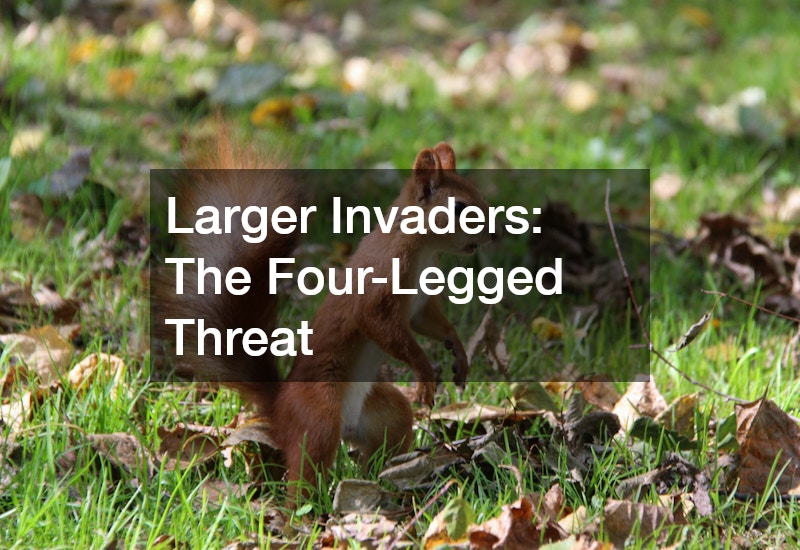
Insects are not the only creatures that exploit exterior structural weaknesses. Larger animals like raccoons, squirrels, opossums, and bats are constantly searching for warm, dry places to build nests and raise their young. These animals possess surprising strength and ingenuity; a determined raccoon can easily tear apart a rotting fascia board or rip off a weak vent cover to gain access to an attic space. Once inside, these larger guests can cause immense physical damage to insulation, wiring, and drywall.
Securing a home against these larger animals requires a thorough inspection of the roofline, soffit vents, and chimney caps. Standard window screening is rarely strong enough to keep a persistent mammal out, so heavy-duty hardware cloth or steel mesh should be securely installed over any openings. If an animal has already managed to find its way inside a crawlspace or attic, simply sealing the hole can trap the creature within, leading to even greater damage. In these scenarios, consulting with a professional wildlife control company is the most prudent course of action. Experts can identify the specific animal, locate all entry points, and implement a safe, effective strategy to remove the intruder and permanently secure the breach against future wildlife encounters.
Ground-Level Barriers: Excluding Smaller Mammals
While the roofline is a common target for climbing animals, the very bottom of a house is just as vulnerable to ground-dwelling creatures. Spaces underneath porches, decks, and concrete slabs provide the perfect dark, protected environments for skunks, groundhogs, and stray animals to set up dens. These animals often dig deep burrow systems right next to a foundation wall, which can lead to soil erosion and structural instability over time if left unchecked.
To protect these low-lying areas, homeowners can install exclusion barriers known as trench walls or L-footers. This involves digging a shallow trench around the perimeter of a deck or porch, installing heavy-duty wire mesh into the ground, and bending it outward in an ‘L’ shape before burying it. When an animal tries to dig under the structure, it hits the metal mesh and gives up. If a creature has already established a den beneath a home, executing an effective animal removal process is necessary before completing the barrier. Using one-way doors allows the creature to leave the area safely to forage, but prevents it from getting back in. Once the space is confirmed empty, the physical barrier can be permanently sealed to ensure no other animals take its place.
The Underground Threat: Subterranean Saboteurs
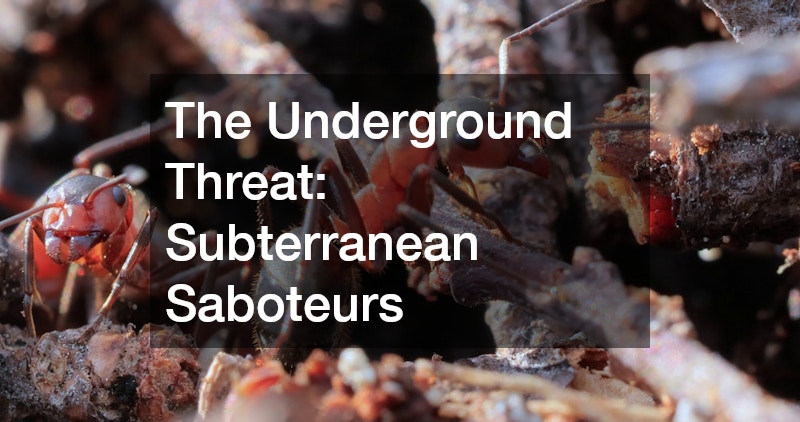
Some of the most destructive property threats come from completely out of sight, operating entirely beneath the soil surface. Subterranean insects are capable of causing thousands of dollars in structural damage long before a homeowner even realizes there is a problem. These organisms tunnel through the earth in search of cellulose, which is found in abundance within the wooden framing of most residential properties. They are incredibly persistent and can find their way through cracks in a concrete foundation that are as thin as a business card.
To guard against these silent destroyers, it is vital to eliminate any direct wood-to-ground contact around the exterior of the house. Siding, door frames, and wooden support posts should never touch the bare earth. Managing moisture levels near the foundation is critical, as these creatures require a damp environment to survive. Keeping gutters clean and ensuring downspouts direct rainwater far away from the house will keep the soil near the foundation dry and unappealing. For true long-term security, regular professional inspections are indispensable. Experienced termite companies can install specialized monitoring stations or apply protective liquid barriers deep into the soil. These advanced measures create an invisible, lethal shield that intercepts foraging colonies before they get close enough to chew on a home’s structural beams.
The Physical Shell: Sealing the Foundation
Once the outer yard and the soil have been addressed, the focus must shift to the physical structure of the house itself. This step involves a meticulous inspection of the foundation, exterior walls, and entry points. Over time, houses settle, and materials expand and contract with the changing seasons, leading to small gaps and cracks. To a tiny insect or a small mouse, a quarter-inch gap under a door or a hairline crack in the stucco is as wide as an open garage door.
Armed with high-quality silicone caulk and expandable foam, a homeowner can do a world of good by sealing every visible gap. Special attention should be paid to areas where utility lines, cables, and plumbing pipes enter the structure, as these are notorious entry points. Installing durable door sweeps on all exterior doors, including the garage, ensures a tight seal against crawling intruders. For complex properties or hard-to-reach areas, partnering with a local pest control service can provide a significant advantage. Professionals have an eye for spotting subtle entry points that the average homeowner might easily overlook, and they can apply long-lasting commercial sealants that keep the physical shell completely secure against even the most persistent crawling invaders.
Indoor Monitoring: The Final Safety Net
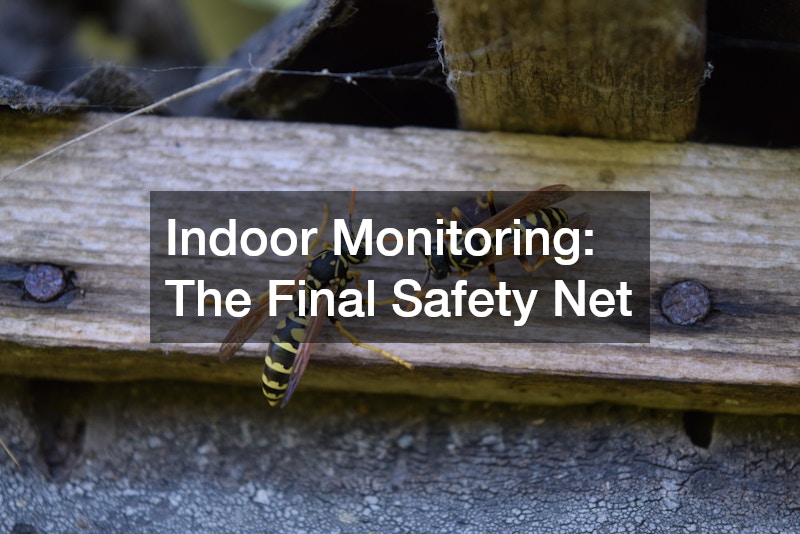
Even with an excellent exterior shield in place, a truly comprehensive defense strategy requires an indoor component to catch any rogue bugs that manage to slip through. The interior of a home should be kept as clean and dry as possible to ensure that if an insect does cross the line, it finds nothing to sustain it. Crumbs, unsealed pantry items, and dripping pipes act as major beacons for hungry bugs looking for an easy place to settle down and multiply.
Using simple sticky traps placed along baseboards, behind appliances, and near exterior doors can act as an early warning system. These traps do not just catch individual bugs; they tell a story about what might be creeping into the living space and where they are coming from. If multiple insects of the same species start appearing in a specific room, it indicates a localized breach in the outer shield. For example, discovering a sudden influx of large, fast-moving insects in the kitchen might require the expertise of a local roach exterminator to quickly pinpoint the source and eliminate the breeding ground before an infestation takes hold. Monitoring these indoor spaces ensures that any minor breakdown in the perimeter defense is caught and corrected immediately.
Maintaining the Shield Year-Round
Building a solid perimeter defense system is not a one-time project that a homeowner can complete and then promptly forget about. It is an ongoing, dynamic process that shifts and evolves along with the changing seasons. Spring brings rapid plant growth and a surge in reproductive activity among insects. Summer introduces flying threats and increased wildlife activity. Autumn forces cold-blooded creatures to search for warm indoor shelters, while winter drives rodents to seek out cozy attics and crawlspaces.
To keep the home’s defensive shield working effectively, a homeowner should establish a seasonal maintenance checklist. Walking around the property every few months to inspect the foundation, trim back new growth, and check the condition of vent screens will prevent small issues from turning into major headaches. While DIY efforts form the foundation of a great defense strategy, there is immense value in scheduling regular professional evaluations. A licensed exterminator can provide the specialized knowledge, tools, and heavy-duty treatments needed to reinforce the barrier during peak migration seasons. By combining consistent property upkeep with professional insight, homeowners can maintain an impenetrable shield that keeps their living space safe, clean, and comfortable throughout every month of the year.