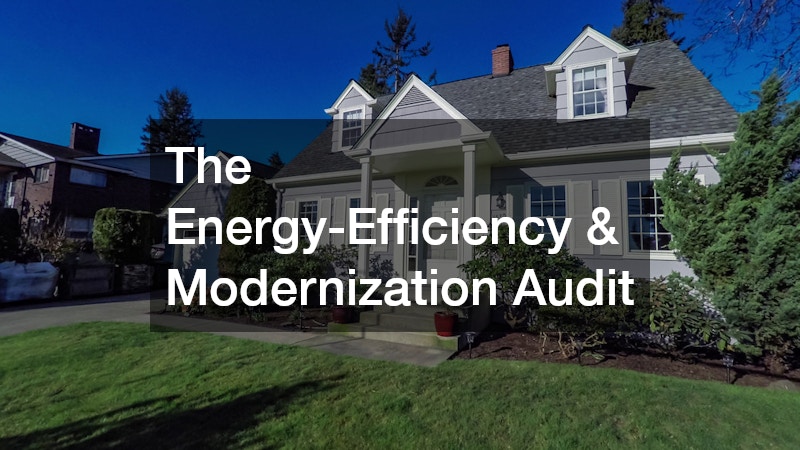

Modern home ownership is undergoing a massive transformation. For decades, the primary focus of updating a property centered on purely aesthetic choices. Paint colors, flooring trends, and decorative light fixtures dominated the conversation. Today, however, a smarter approach has emerged. Homeowners increasingly view their properties through the lens of long-term sustainability, resource conservation, and monthly utility costs. Balancing visual appeal with energy optimization is no longer a luxury choice; it is a practical roadmap for maintaining property value in a changing world.
An energy-efficiency and modernization audit serves as the perfect starting point for this journey. Instead of guessing where heat is escaping or where electricity is being wasted, this assessment provides a data-driven look at how a house operates as a single, unified system. It measures air infiltration, thermal performance, water consumption, and mechanical efficiency. By identifying the weak points in an older structure, property owners can make highly informed decisions about how to upgrade their spaces. This strategic evaluation ensures that every dollar spent contributes to a lower carbon footprint and reduced operational expenses.
When individuals look at the big picture of a major home renovation, integrating efficiency metrics from the very beginning prevents costly mistakes later on. This article explores how to execute a thorough modernization audit across various areas of a property, ensuring that contemporary design elements work hand-in-hand with modern green standards. Every component plays a critical role in creating a resilient living environment.
Securing the Thermal Envelope
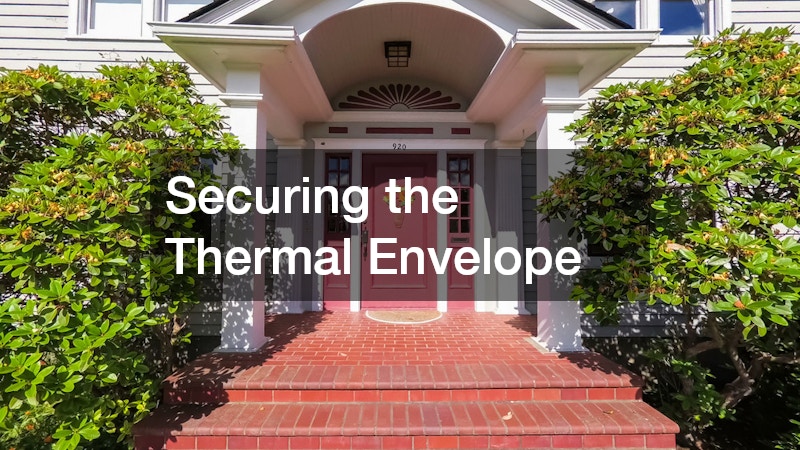
The exterior shell of a house, often referred to as the thermal envelope, is the first line of defense against the elements. If the envelope is compromised, even the most advanced heating and cooling systems will struggle to maintain a comfortable indoor temperature. During a comprehensive energy audit, professionals use specialized tools like thermal imaging cameras and blower door tests to find invisible drafts. Quite often, the primary culprits of energy loss are older, single-pane glass panels and warped frames that allow conditioned air to seep outside continuously.
Upgrading these entry points drastically alters the energy dynamic of a household. Investing in professional window installation utilizing double or triple-pane glass with low-emissivity coatings stops radiant heat transfer in its tracks. These advanced glass units trap an insulating layer of argon or krypton gas between the panes, creating a robust barrier against extreme summer heat and freezing winter winds. Furthermore, modern framing materials like fiberglass or vinyl offer superior thermal breaks compared to vintage aluminum frames, eliminating condensation that breeds mold.
The audit should also look closely at attached structures, specifically the largest opening in the entire house: the garage. Drafty garages attached to living areas act as thermal bridges, draining heat right out of adjacent walls. Replacing a flimsy, uninsulated door with high-R-value custom garage doors solves this problem entirely. Modern options combine heavy-duty polyurethane insulation with durable steel or composite faces, blocking the wind while adding architectural style to the front facade. This change stabilizes garage temperature, protecting water pipes and reducing heating loads on the home.
Rethinking the Kitchen Infrastructure
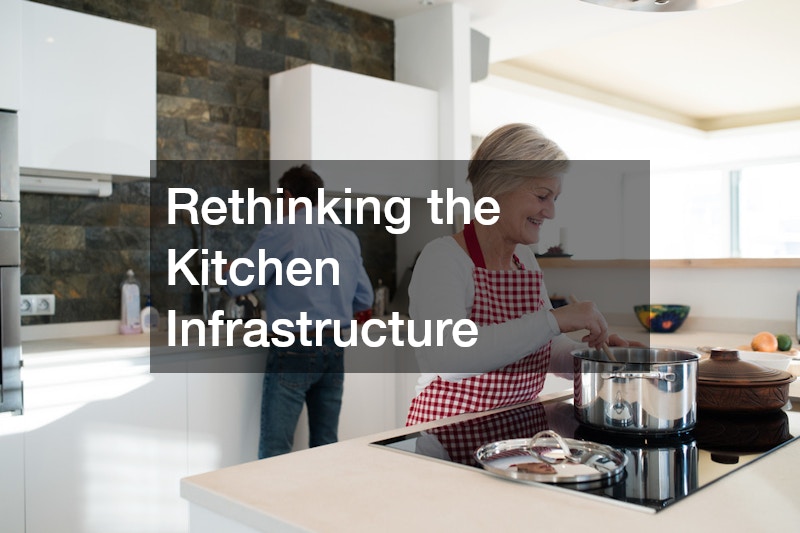
The kitchen is traditionally the busiest room in the house, which also makes it one of the largest consumers of energy and water. From refrigeration running twenty-four hours a day to high-Btu cooking appliances and frequent dishwashing cycles, the utility demands here accumulate rapidly. A modernization audit focuses heavily on this area, analyzing appliance energy star ratings, water flow rates, and ventilation efficiency. When planning a comprehensive kitchen remodel, homeowners have a unique opportunity to strip away inefficient infrastructure and replace it with smart, eco-friendly alternatives.
Induction cooktops represent a massive leap forward in kitchen efficiency. Unlike traditional gas burners that waste half of their heat into the surrounding air, induction technology uses electromagnetic fields to heat the cookware directly. This results in faster cooking times, safer surfaces, and a cooler kitchen environment, reducing the strain on air conditioning systems during summer. Upgrading to a modern ventilation hood with variable-speed controls ensures that indoor air quality remains high without unnecessarily exhausting large volumes of conditioned indoor air outside.
Lighting is another critical element where modernization yields immediate financial returns. Older kitchens frequently rely on hot halogen recessed cans or fluorescent fixtures that consume excessive electricity. Replacing these outdated systems with dedicated LED arrays lowers lighting energy consumption by up to eighty percent while providing crisp, adjustable illumination for food preparation tasks. Smart dimmers can further optimize this setup, ensuring that lights are active only when someone is utilizing the space.
Sourcing Sustainable Interior Elements
Beyond mechanical systems and appliances, material choices made during an interior update have a profound environmental impact. The lifecycle of wood, stone, and composite elements matters just as much as their immediate energy usage. When homeowners look for cabinet fabrication and installation, they are wise to vet various cabinet companies based on their environmental certifications. Leading manufacturers now offer products constructed from certified sustainable forests, utilizing formaldehyde-free adhesives and low-VOC waterborne finishes that do not compromise indoor air quality.
The choice of work surfaces also offers a chance to blend durability with eco-conscious manufacturing. Selecting a high-quality countertop requires looking at both longevity and the carbon footprint of production. Engineered quartz, recycled glass composites, and locally sourced natural stones are excellent choices for an eco-friendly space. These materials are incredibly non-porous, meaning they do not require harsh chemical sealants over their lifespan and are remarkably easy to clean with mild, non-toxic soap and water.
By focusing on durable, timeless materials, property owners ensure that their interiors do not end up in a landfill a decade from now due to premature wear or shifting style trends. The goal of a true modernization audit is to select items that endure both functionally and visually, creating a space that looks beautiful while standing up to the rigors of daily family life without frequent replacement.
Maximizing Water Efficiency in Restrooms
Water scarcity and the energy required to heat water are major components of a household’s environmental footprint. Bathrooms consume more water than any other part of the home, making them a prime target for efficiency improvements. An audit typically checks for hidden plumbing leaks, evaluates the efficiency of the water heater, and measures the gallons-per-minute output of showers and faucets. Addressing these issues comprehensively during a structured bathroom renovation allows for the seamless integration of low-flow technology without sacrificing user comfort.
Modern plumbing fixtures use advanced aeration technology to mix air into the water stream, providing strong, satisfying pressure while using a fraction of the actual water volume. High-efficiency toilets with dual-flush mechanisms allow users to choose the appropriate water volume for liquid or solid waste, saving thousands of gallons of clean water every year. These simple changes drastically reduce the strain on municipal water systems and septic fields alike.
Furthermore, the energy required to heat water represents a significant portion of monthly utility bills. Transitioning from a standard tank-style water heater to a tankless, demand-initiated system or a hybrid heat pump water heater saves an immense amount of energy. These modern systems eliminate standby heat loss by only warming water when a faucet is actually turned on. When combined with properly insulated hot water pipes hidden beneath floors, hot water arrives at the tap much faster, eliminating the wasteful practice of running water for minutes just to get it warm.
Insulating Subterranean Living Spaces
The lowest level of a home presents unique challenges regarding moisture control, insulation, and air quality. Because basements are surrounded by earth, they maintain a relatively constant temperature, but they are highly susceptible to dampness and geothermal cold transfer. An energy audit will carefully examine foundation walls for cracks, measure humidity levels, and check for proper insulation along rim joists, which is a notorious zone for major air leakage.
Executing a strategic basement remodel with efficiency in mind transforms a dark, damp storage area into a healthy, fully functional living space. The process begins with absolute moisture mitigation, sealing concrete walls with specialized waterproof membranes before any framing or insulation is installed. Utilizing closed-cell spray foam or rigid foam boards directly against the foundation blocks the cold ground temperature from radiating into the interior walls, eliminating the risk of condensation and subsequent mold growth.
Once the thermal boundary is secure, the space requires dedicated ventilation to maintain excellent air quality. Integrating an energy recovery ventilator into the basement’s climate system ensures a continuous supply of fresh, filtered outdoor air while recovering heating or cooling energy from exhausted indoor air. This prevents the subterranean space from developing that familiar, stale basement odor, making it a comfortable, safe environment for home theaters, home offices, or extra bedrooms.
Enhancing Living Room Thermal Efficiency
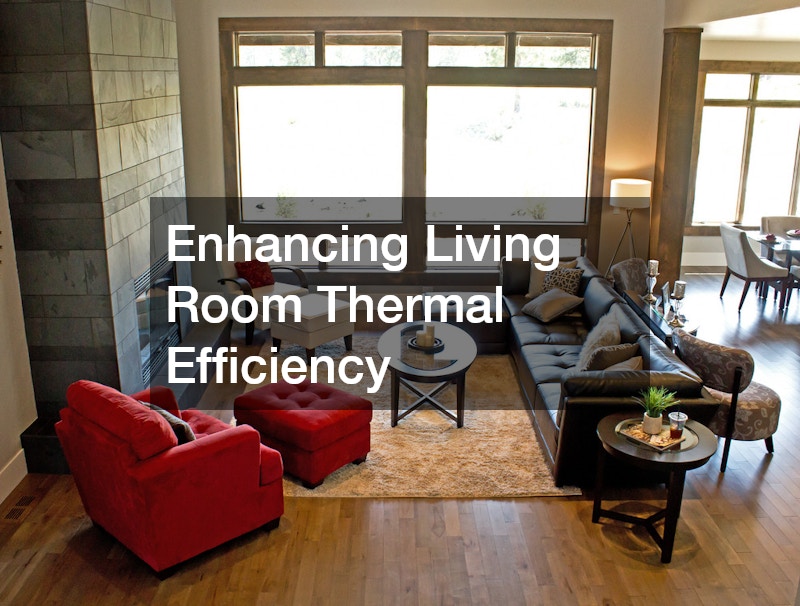
As the internal layout of a home becomes more airtight and insulated, the demands placed on the primary heating system change dramatically. Older, oversized furnaces often cycle on and off rapidly in a well-insulated home, which wastes energy and places unnecessary stress on the equipment. A modernization audit calculates the precise heating load of the updated structure, allowing homeowners to size mechanical systems correctly.
For many people, supplemental heating elements provide localized warmth in primary living zones, reducing the need to run the main central furnace constantly. Working with a certified fireplace company allows for the installation of highly efficient zone heating appliances. Modern direct-vent gas fireplaces or certified wood-burning inserts operate as sealed combustion systems, drawing air from the outside for combustion and expelling exhaust completely outdoors through a coaxial pipe.
This design eliminates massive drafts associated with traditional open brick fireplaces, which pull warm air out of the room and send it straight up the chimney structure. By using a highly efficient insert as a supplemental heat source in the main living room, residents can lower central thermostat settings significantly during chilly evening hours. This targeted approach to thermal comfort keeps the family cozy exactly where they gather, while saving energy in unoccupied bedrooms and utility spaces.
Sustainable Exterior Drainage and Hardscaping
The principles of an energy and modernization audit extend far beyond the interior drywall of a property. The surrounding landscape impacts how water moves around the foundation, how much heat the property absorbs from the sun, and how much maintenance is required over time. Poor grading or improper drainage can lead to water pooling against foundation walls, eventually penetrating concrete and destroying interior upgrades.
Engaging a professional hardscaping service to redesign exterior surfaces can solve these systemic issues beautifully. Modern hardscaping focuses heavily on the utilization of permeable pavers for driveways, walkways, and patios. Unlike solid concrete slabs that force rainwater into overloaded municipal storm drains or back toward the house structure, permeable systems allow water to filter naturally down into the ground beneath. This recharges the local water table and keeps soil moisture levels around the foundation stable.
Strategic exterior design also utilizes natural elements to manage energy efficiency. Placing light-colored stone pavers in sunny areas helps reflect solar radiation, reducing the urban heat island effect around the home. When paired with thoughtful xeriscaping–using native, drought-tolerant plants instead of expansive, water-thirsty lawns–the exterior of the property becomes completely self-sustaining. This eliminates the need for expensive, automated irrigation systems and reduces the carbon footprint associated with constant lawn maintenance equipment.
The Financial and Functional Dividends
Completing a thorough energy-efficiency and modernization audit provides a clear, actionable roadmap for any property owner looking to invest wisely in their home. Rather than viewing remodeling as a series of disconnected cosmetic projects, this systemic approach ensures that every change enhances the overall performance, comfort, and longevity of the building. The financial benefits of these upgrades manifest in two distinct ways: immediate monthly utility savings and a substantial increase in long-term property equity.
As energy costs continue to fluctuate, a home that is well-insulated, smartly illuminated, and structurally sealed remains insulated from market volatility. Prospective buyers in the modern real estate marketplace place a massive premium on homes that boast low operating costs and verified green upgrades. By documenting the energy audits and the subsequent improvements made to the thermal envelope, mechanical systems, and exterior drainage, homeowners can confidently demonstrate the superior value of their property when it comes time to sell.
Ultimately, the true value of a modernized home lies in the daily living experience. Eliminating cold drafts, improving indoor air quality, reducing noise pollution through multi-pane glass, and enjoying the reliability of modern materials create a sanctuary of comfort. Investing in efficiency ensures the property remains a beautiful, efficient haven for decades to come.