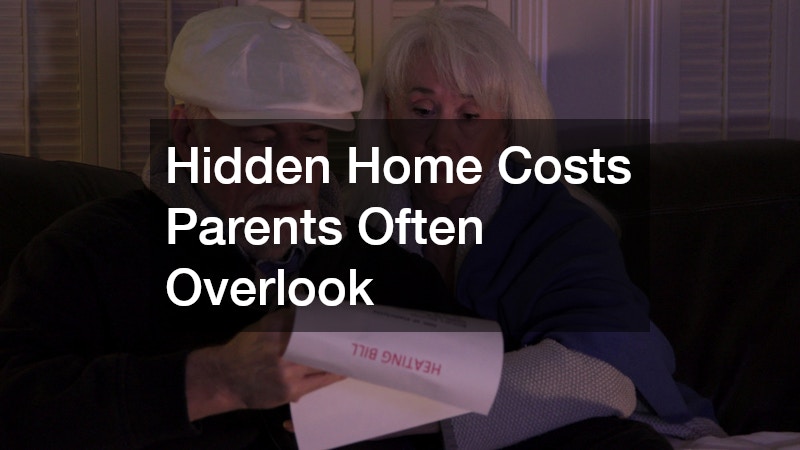
Between mortgage payments, groceries, and school expenses, most parents think they have their household budget under control. But homeownership and family life are full of hidden costs that rarely show up in a monthly budget spreadsheet until they suddenly do. From unexpected repairs to health and family emergencies, these overlooked expenses can catch even the most organized households off guard. This guide walks through the most common blind spots so you can plan ahead instead of scrambling when a bill arrives.
The Roof Over Your Head Costs More Than You Think
Many homeowners budget for a mortgage but forget that the physical structure of their house requires ongoing investment. A roof, for example, is not a one-time expense you handle at move-in and forget about for decades. Weather damage, aging shingles, and small leaks can turn into costly problems if ignored, and most families underestimate how often roof repairs are actually needed.
Setting aside a small maintenance fund each year, even just a few hundred dollars, can prevent a minor issue from becoming a five-figure emergency. Inspecting your roof after major storms and scheduling a professional check every couple of years is far cheaper than waiting for a leak to appear inside your home.
- Missing or curling shingles are early warning signs
- Granule buildup in gutters signals roof wear
- Ceiling stains often mean a slow, ongoing leak
- Annual inspections catch problems before they spread
Family Health Expenses That Sneak Up on Parents
It is easy to budget for pediatrician visits, but many parents forget how quickly other health costs add up across a growing family. Regular checkups with dentists are often treated as an afterthought, yet orthodontics, fillings, and emergency dental visits can become one of the largest recurring line items in a household budget. Insurance rarely covers everything, and out-of-pocket costs can climb fast once braces or wisdom teeth enter the picture.
Braces alone can run anywhere from $3,000 to $7,000 per child, and many dental plans cap orthodontic coverage at a modest lifetime maximum, leaving families to cover the rest. Add in vision care — eye exams, glasses, and contact lenses that need replacing as prescriptions change — and the yearly total grows even more.
Beyond the dentist’s chair, specialists like allergists, dermatologists, or physical therapists often enter the picture as kids grow and take up new sports or activities. Copays for these visits add up quickly, especially when a single sports injury or skin condition requires several follow-up appointments. Parents who set aside a modest monthly health cushion, rather than reacting only when a bill arrives, tend to weather these costs with far less financial stress.
Vision needs are another area families tend to underestimate. Routine eye care, including exams, glasses, and contact lens replacements, is something kids often need updated every year as their prescriptions change. A single pair of glasses can run $150 to $300 once lenses and frames are factored in, and that cost repeats annually for growing children whose eyesight shifts quickly.
Contacts add their own recurring expense, often $300 or more per year for supplies alone, plus fitting fees that many parents forget to budget for. Sports goggles, blue-light lenses for screen-heavy schoolwork, and backup glasses in case of breakage are easy to overlook until the need arises suddenly.
Waiting too long between visits can also mean bigger problems go unnoticed, making that annual appointment more valuable than it seems. Undetected vision issues can affect classroom performance and behavior, so skipping eye care to save money short-term often costs more in tutoring, frustration, or missed developmental milestones down the road.
- Set aside a dedicated health savings fund for dental and vision costs — aim for $500-$1,000 per child annually to cover cleanings, fillings, and glasses without dipping into your main budget
- Ask about payment plans for orthodontic work, since braces often run $3,000-$7,000 and most orthodontists offer 12-24 month interest-free financing
- Schedule annual eye exams even if vision seems fine, since undetected changes in kids can affect school performance and grow more costly to correct later
- Compare in-network versus out-of-network costs before booking appointments, as a single out-of-network specialist visit can cost two to three times more than an in-network one
- Check whether your insurance plan requires referrals for specialists to avoid surprise denied claims
- Budget separately for recurring costs like braces adjustments, contact lens replacements, or prescription refills that don’t show up in one-time estimates
Yard and Landscaping Surprises

A beautiful yard is a selling point for many homes, but the upkeep required to maintain it is often left out of the budget conversation entirely. Large or aging trees can pose serious risks during storms, and when a tree becomes diseased, dead, or dangerously close to power lines, tree removal quickly becomes a necessary expense rather than an optional one. These jobs can run into the thousands depending on size and location, especially if emergency service is needed after a storm.
Parents often assume yard work is limited to mowing and occasional trimming, but larger properties may require periodic professional attention. Getting a tree health assessment every few years can help you catch problems early, before a storm forces an expensive emergency call.
- Leaning trees or exposed roots signal instability
- Dead branches near the roofline increase storm risk
- Get multiple quotes before scheduling large removal jobs
- Check whether your homeowners insurance covers storm-related tree damage
Plumbing Problems That Go Beyond a Leaky Faucet

Plumbing issues rarely announce themselves politely. A slow drain or a slightly odd smell can be the first sign of a much bigger problem hiding behind the walls. When something does go wrong, calling a residential plumber quickly can prevent a small clog from turning into a burst pipe and major water damage throughout the home.
Older homes are especially prone to pipe corrosion, and many parents do not realize how much replacing old plumbing can cost until they are already dealing with a flooded basement. Budgeting for periodic inspections, especially in homes over 20 years old, can help families catch corrosion or weak joints before they fail completely.
- Watch for slow drains, gurgling sounds, or low water pressure
- Check under sinks regularly for hidden moisture
- Know where your main water shutoff valve is located
- Get a plumbing inspection when buying an older home
Water Quality Is Not Always Guaranteed
Many families assume tap water is automatically safe simply because it comes from a municipal source, but water quality can vary significantly by neighborhood and even by season. Sediment, chlorine taste, or mineral buildup are common complaints that lead households to invest in filtration. A reliable water filter service can address these issues, but ongoing filter replacement and system maintenance is a recurring cost that often gets left out of household budgets entirely.
Testing your water annually, especially if you have a private well, is a smart habit that many parents skip. It is a small expense compared to the potential cost of dealing with contamination-related health issues down the road.
- Test well water annually for bacteria and mineral content
- Replace filters on schedule to maintain effectiveness
- Watch for changes in taste, smell, or clarity
- Budget for filter replacement as a recurring cost, not a one-time purchase
Unexpected Costs From Everyday Accidents
Life does not pause for a budget spreadsheet, and unexpected accidents can quickly disrupt even the most carefully planned finances. A car accident, for instance, can bring costs far beyond the obvious repair bill, including rental cars, insurance deductibles, medical copays, and lost workdays. Many parents underestimate how quickly these secondary costs add up after a collision, even a minor one.
Having an emergency fund specifically for transportation-related incidents can ease the financial strain considerably. It is also worth reviewing your auto insurance policy periodically to make sure your deductible and coverage limits still match your family’s needs.
- Keep a small emergency fund for deductibles and rentals
- Review your policy coverage limits every year
- Document accident details thoroughly for insurance claims
- Ask your insurer about gap coverage if you have a newer vehicle
Emotional Wellbeing Has a Price Tag Too
Family life comes with stress, and sometimes that stress requires professional support that parents did not budget for. Whether it is a child struggling at school, a teen dealing with anxiety, or a parent managing burnout, counseling centers provide valuable support that many households never plan for financially. These needs rarely arrive on a predictable schedule, which makes them easy to miss when building a household budget.
Session costs vary widely depending on the provider, location, and specialty involved. A single visit to a licensed therapist can range from $75 to $200, and family or child psychologists sometimes charge more for specialized assessments. Weekly sessions during a difficult stretch can add up to several hundred dollars a month, even before factoring in intake fees or testing costs.
Insurance coverage for mental health services is often more limited than people expect. Many plans cap the number of covered sessions per year, require referrals, or only include a narrow network of in-network counseling centers. Families who go out-of-network may face reimbursement rates far lower than the actual cost of care, leaving a significant gap to cover out of pocket.
It also helps to consider related expenses that tend to sneak up alongside therapy itself, like transportation to appointments, missed work hours, or follow-up recommendations such as tutoring or psychiatric evaluation. Setting aside even a small monthly cushion for emotional wellbeing can prevent these costs from becoming a financial emergency later.
Looking into community-based or sliding-scale options ahead of time, before a crisis hits, can make accessing help less stressful when it is actually needed. Many therapists offer reduced rates based on income, and community mental health centers often charge on a sliding scale from as little as $20 to $60 per session. It’s worth researching these options in your area now, rather than scrambling to find affordable care during a difficult moment.
Don’t overlook resources you may already have access to, either. Many employers offer Employee Assistance Programs (EAPs) that include a set number of free counseling sessions per year, and some insurance plans cover teletherapy at a lower copay than in-person visits. Local nonprofits, universities with counseling training programs, and support groups can also provide low-cost or free help for both parents and kids.
Building a small cushion into your annual budget for mental health support is just as reasonable as budgeting for physical health needs. Setting aside even $30 to $50 a month, roughly the cost of a single copay, can add up to a meaningful buffer by the time it’s needed. Treating this line item as non-negotiable, the same way you would a car repair fund, helps ensure that cost never becomes the reason a family member goes without support.
- Ask providers about sliding-scale fee options, which can lower session costs to $30-$80 based on income
- Check whether your insurance plan covers a set number of sessions per year, and confirm any copay or deductible requirements upfront
- Look into employer assistance programs (EAPs), which often include 3-8 free counseling sessions per family member annually
- Consider telehealth options to reduce costs and scheduling conflicts, since many virtual providers charge less than in-person visits
- Ask about family bundle rates if multiple household members need therapy at once
Planning Ahead for Aging Parents

As parents age, adult children often find themselves responsible for costs they never anticipated. Researching assisted living options early, rather than during a crisis, gives families more time to compare pricing, services, and locations. Costs vary dramatically depending on the level of care needed, and waiting until an emergency forces a decision often means paying premium rates for limited availability.
It helps to have open conversations with aging family members about their wishes and finances well before care becomes urgent. Long-term care insurance, if available, should be reviewed early since policies often have waiting periods before benefits apply.
- Tour multiple facilities to compare cost and quality of care
- Ask about all included services versus additional fees
- Review long-term care insurance policies for waiting periods
- Start conversations about care preferences before a health crisis hits
Lifestyle and Social Costs Families Overlook

Not every hidden cost is tied to emergencies or repairs. Everyday social obligations can add up quietly over time, and they’re often the ones parents forget to budget for entirely. A work related golf outing might run $75 to $150 once greens fees, cart rental, and the customary round of drinks are factored in, while a child’s birthday celebration can easily hit $200 once decorations, a gift, and a restaurant reservation are added together.
Neighborhood fundraisers, school supply drives, and team sponsorships add another layer, often arriving as small requests of $20 or $30 that feel too minor to track. Individually, none of these expenses seem worth worrying about. Together, though, they can quietly chip away at a monthly budget until the credit card statement arrives and the total looks nothing like what anyone expected.
Tracking discretionary spending for even one month can reveal surprising patterns. Birthday party gifts, quick coffee runs, weekend takeout, streaming subscriptions, and impromptu trips to the toy store add up faster than most parents expect, often totaling $200 to $400 a month without a single big-ticket purchase involved.
Kids’ social lives carry their own price tag too. A single birthday party invitation might mean a $20 gift plus a $15 outfit; multiply that by a school year’s worth of parties, and the total can rival the cost of a family vacation.
Many parents find that setting a monthly cap on social and entertainment expenses helps prevent these smaller costs from quietly overwhelming the family budget. A practical approach is to assign specific categories—such as $50 for dining out, $30 for kids’ activities, and $20 for miscellaneous outings—so spending stays visible rather than scattered across dozens of small transactions.
Reviewing bank and credit card statements together as a family, even briefly each month, can also help identify which categories tend to creep upward. This small habit turns invisible spending into a clear, manageable part of the household budget.
- Track discretionary spending for at least one full month, including birthday parties, school fundraisers, and impulse buys at checkout
- Set a monthly cap for social and entertainment expenses, such as $150-$300 for a family of four, adjusted to your income
- Look for free or low-cost community events as alternatives, like library programs, park district activities, or school-sponsored family nights
- Reassess recurring memberships or subscriptions annually, canceling unused gym passes, streaming services, or club dues
- Compare the cost of kids’ birthday parties year over year, since venue and entertainment fees often creep upward
- Budget separately for seasonal social spending, like holiday gifts and summer camp send-offs, so it doesn’t blend into everyday expenses
Hidden home costs rarely arrive with much warning, but a little foresight can make all the difference when they do show up. Reviewing your budget with these overlooked categories in mind is a smart first step toward building a financial cushion that actually reflects real life. Start by identifying which of these areas feels most likely to affect your household this year, and set aside even a small amount each month to prepare for it. Being proactive today means fewer stressful surprises tomorrow.