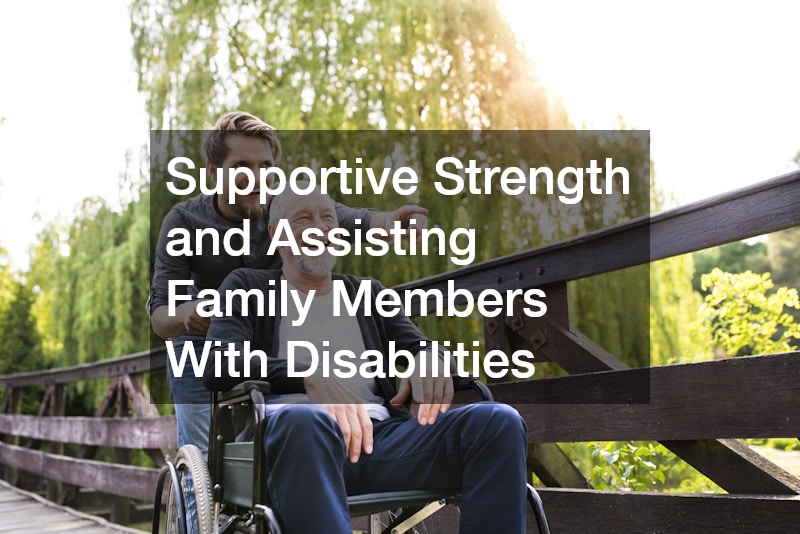

Caring for a family member with a disability is one of the most profound acts of love and commitment a person can undertake. It is a journey that transforms household dynamics, reshapes daily priorities, and demands a unique blend of emotional resilience and practical strategy. Whether you are supporting a child with a developmental delay, a spouse recovering from a traumatic injury, or an aging parent navigating a loss of autonomy, the goal remains the same: to foster an environment where your loved one can thrive with dignity.
True support goes beyond simply “helping out.” it involves a holistic approach that addresses physical safety, emotional well-being, clinical recovery, and long-term financial stability. In the modern era, the shift toward community-based and home-centered care has empowered families to stay together, but it has also placed a significant logistical burden on the primary caregiver. This guide is designed to navigate those complexities, offering actionable advice on everything from architectural modifications to the nuances of clinical planning, ensuring that both the caregiver and the recipient find balance and fulfillment.
Establishing a Professional Support Network

No caregiver is an island. Attempting to manage the 24/7 needs of a family member alone is a direct route to burnout, which ultimately compromises the quality of care provided. The first step in a sustainable care plan is identifying where professional intervention can supplement family efforts. This often begins with professional home care services. These agencies provide trained aides who can assist with activities of daily living (ADLs) such as bathing, dressing, and meal preparation. By integrating professional help into the weekly schedule, family members can transition from being “staff” back to being “family,” preserving the emotional bond that is so vital for the patient’s mental health.
Safety is the other half of the support equation. When a family member has cognitive impairments or physical limitations that make them vulnerable, the home environment needs a digital “eye.” Modern home alarm systems have evolved far beyond simple burglary prevention. For a family living with disability, these systems act as a safety net. Features like door sensors can alert a sleeping caregiver if a loved one with dementia attempts to wander outside at night, while integrated “panic buttons” allow a person with limited mobility to call for help instantly from any room in the house.
Practical Tips for a Secure Home
- Vet Your Aides: When hiring professional help, ask specifically about their experience with your loved one’s particular diagnosis. A “personality fit” is just as important as a clinical skill set.
- Smart Monitoring: Program your security system to send push notifications to your smartphone when specific doors are opened, allowing you to monitor the home even if you are at work or running errands.
- Redundancy is Key: Ensure that medical alert triggers are accessible at floor level in case of a fall where the individual cannot reach a wall-mounted button.
- Respite Care Scheduling: Proactively schedule professional assistance for several hours a week to allow the primary caregiver to leave the home for personal appointments or exercise. This “respite” is essential for maintaining the long-term mental health of the entire family unit.
- Environmental Sensor Integration: Beyond standard security, consider integrating flood and fire sensors into your alert system. For individuals with sensory or mobility challenges, an early warning for environmental hazards provides crucial extra minutes for a safe evacuation.
Modifying the Physical Footprint for Accessibility
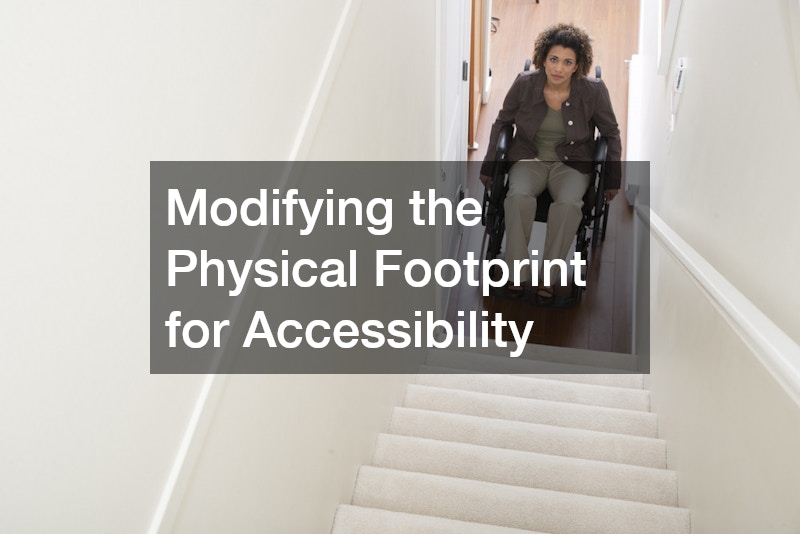
The physical layout of a traditional house can often feel like an obstacle course for someone with a disability. To truly assist a family member, one must look at the home through the lens of universal design. Major structural changes, such as home additions, are often the most effective way to ensure long-term residency. Adding a ground-floor bedroom suite or a self-contained apartment can eliminate the danger and exhaustion of navigating stairs, providing the individual with a sense of private “territory” that is entirely accessible.
Accessibility should not stop at the front door. The transition from the indoors to the garden or driveway is a frequent site of accidents. This is where hardscaping becomes a critical component of care. Traditional gravel or uneven pavers are treacherous for those with gait issues or those using wheels. Replacing these with smooth, poured concrete, slip-resistant stamped pavers, or low-incline ramps ensures that the family member can enjoy the psychological benefits of nature and fresh air without the fear of a fall.
Strategies for Architectural Freedom
- The Five-Foot Rule: When planning an addition, ensure there is at least a five-foot diameter of clear floor space in key areas to allow for a full 360-degree turn in a wheelchair.
- Consistent Lighting: Use LED strip lighting along outdoor paths created by your new masonry work. Low-light conditions are a leading cause of stumbles for those with visual or neurological impairments.
- Threshold Transitions: Ensure that the “lip” between the indoor flooring and the outdoor patio is flush. Even a half-inch rise can be a significant barrier.
- Widening Internal Doorways: Standard residential doors are often too narrow for equipment. During any structural modification, aim to widen interior doors to at least 32-36 inches to prevent hand injuries and facilitate smooth movement between rooms.
- Implementing Covered Entryways: When modifying the exterior, install a porch or awning over the primary accessible entrance. This protects the individual from rain or ice while they are unlocking the door or transitioning from a vehicle, reducing the risk of slips.
Prioritizing Rest and Personal Hygiene
Quality of life is often determined by the most basic of human needs: sleep and cleanliness. For individuals with limited mobility, the bed is more than just a place to sleep; it is often where they spend a significant portion of their day. Standard consumer beds are rarely sufficient. Specialized mattresses are required to manage the risk of skin breakdown and pressure ulcers. High-specification foam or alternating-pressure surfaces help redistribute weight, which is essential for those with daily limited mobility.
Similarly, the bathroom is the most hazardous room in the home. A comprehensive bathroom remodeling project can be the difference between independence and total dependence. Converting a standard tub into a roll-in shower, installing “comfort height” toilets, and ensuring all fixtures are operable with a closed fist (lever handles rather than knobs) empowers the individual to manage their hygiene with minimal assistance. This preserves dignity—a cornerstone of psychological health.
Actionable Hygiene and Comfort Upgrades
- Water Temperature Control: Install anti-scald valves during your renovation. Some disabilities involve a loss of thermal sensation, making it easy for a loved one to accidentally burn themselves with hot water.
- Zoned Support: Look for bed surfaces that offer “multi-zone” support, providing firmer surfaces under the hips and softer surfaces under the heels and shoulders.
- Grab Bar Placement: Don’t just put bars where they “look right.” Have a physical therapist visit the home to mark the exact height and angle that best suits your family member’s specific reach and strength.
- Sink Clearance and Access: Ensure the vanity or sink area is wall-mounted without a cabinet underneath. This “knee space” allows someone in a seated position to roll directly up to the basin for grooming tasks.
- Breathable Fabric Selection: Beyond the support surface, use moisture-wicking and breathable bedding materials. Maintaining a cool, dry skin environment is vital for preventing the dermatological complications common in long-term bed rest.
Navigating Clinical and Rehabilitative Needs
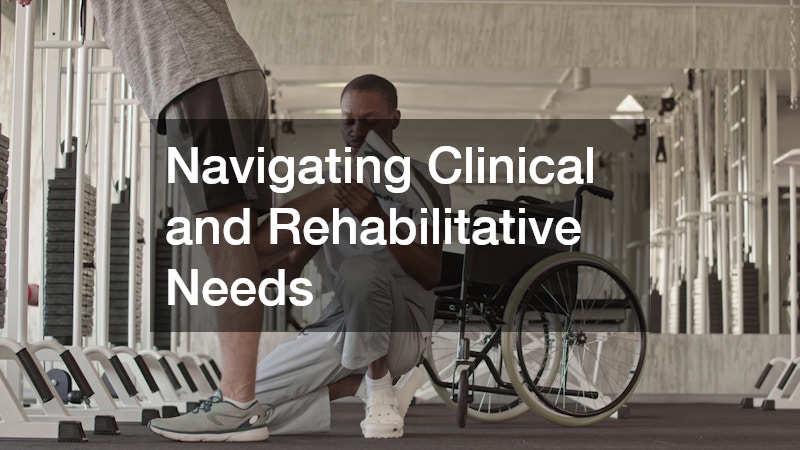
Assisting a family member also means acting as a “care coordinator” between various medical specialists. Two areas that are frequently overlooked are oral health and functional recovery. Dental care is notoriously difficult for those with severe physical disabilities or sensory processing disorders. Utilizing specialized denture services that offer mobile visits or clinics equipped with specialized lifts ensures that oral health does not decline. Poor oral health is linked to systemic issues like heart disease and pneumonia, making this a critical pillar of overall wellness.
Furthermore, the journey toward independence is fueled by consistent rehab therapy. Whether it is occupational therapy to relearn how to cook or physical therapy to improve balance, these clinical interventions require “homework” from the family. Caregivers must learn the exercises alongside the patient to ensure they are performed safely and frequently between clinical appointments. This collaborative approach turns every day into a rehabilitative opportunity.
Maximizing Clinical Success
- Integrated Care Records: Keep a “care binder” that includes notes from every therapy session. This helps the speech therapist know what the physical therapist is working on, creating a unified front.
- Sensory Accommodations: For dental or medical visits, ask the provider if they can dim lights or provide heavy blankets if your family member has sensory sensitivities.
- Goal Setting: Work with the clinical team to set “SMART” goals (Specific, Measurable, Achievable, Relevant, Time-bound). Instead of “getting better,” aim for “walking to the mailbox with a walker by next month.”
- In-Home Telehealth Preparation: Set up a dedicated, quiet space with a stable internet connection for remote consultations. Telehealth is an invaluable tool for families who find the logistics of medical transport physically exhausting.
- Adaptive Tool Integration: Consult with your therapist about using weighted utensils, reachers, or button hooks. These small tools bridge the gap between clinical theory and daily functional independence.
Mobility and Long-Term Strategic Planning
As a disability progresses or as a family member ages, the methods used to navigate the world must evolve. When manual wheelchairs become too taxing, mobility scooters offer a renewed sense of autonomy. These devices allow individuals to accompany the family on trips to the mall, parks, or community events, preventing the social isolation that so often accompanies physical impairment. Choosing the right device involves looking at the turning radius for indoor use versus the suspension and tire durability for outdoor adventures.
However, physical tools are only half the battle. The most stressful question for any caregiver is: “What happens when I am no longer able to provide care?” This is addressed through life care planning. This is a dynamic document that projects the future needs of the individual, including medical, financial, and psychological requirements. It involves legal experts to set up trusts and medical experts to estimate the costs of equipment and care over a lifetime. Having this plan in place provides an incredible sense of peace, knowing that the family member will be provided for regardless of the caregiver’s status.
Steps for Future-Proofing Care
- The Trial Run: Before purchasing a scooter, rent various models to see which one your family member feels most confident operating and which one fits best in your modified vehicle.
- Letter of Intent: As part of your long-term planning, write a “Letter of Intent.” This isn’t a legal document, but a personal one that tells future caregivers about your loved one’s likes, dislikes, routines, and personality.
- Financial Shielding: Consult with a financial planner who specializes in disability. They can help you navigate how to save money for your loved one’s care without accidentally disqualifying them from essential government benefits.
- Maintenance Schedules for Gear: Establish a routine for checking tire pressure and battery health on all mechanical aids. Reliable equipment is the foundation of a safe, mobile life and prevents sudden, stressful breakdowns.
- Reviewing Legal Designations: Regularly update Powers of Attorney and Healthcare Proxies. As conditions change, ensuring that the right people have the legal authority to make decisions is a critical component of a responsible care plan.
Assisting a family member with a disability is a marathon that requires both a compassionate heart and a strategic mind. By focusing on the structural integrity of the home, the precision of clinical care, and the foresight of financial planning, you create a framework where challenges are managed and triumphs are celebrated. It is important to remember that you do not have to be a perfect caregiver—you only need to be a present one.
The resources available today, from advanced technology to specialized medical services, are more accessible than ever before. Use them to build a support system that holds everyone up. When the environment is safe, the body is cared for, and the future is secure, the disability stops being the central focus of the household. In its place, the family can rediscover the joy of simply being together, navigating the world not as a patient and a provider, but as a team. Your dedication is the bridge to their independence, and that is a legacy of incomparable value.