Living with a medical device is a significant adjustment that involves understanding its impact on daily life. This article aims to guide users through managing their daily routines while wearing a medical device. Various aspects, such as comfort, lifestyle integration, and maintenance, are crucial to creating a harmonious balance. Through this guide, we hope to provide new perspectives and strategies for managing these devices efficiently. The journey with a medical device doesn’t have to be solitary; with the right guidance, you can thrive.
How do I get accustomed to wearing a medical device?
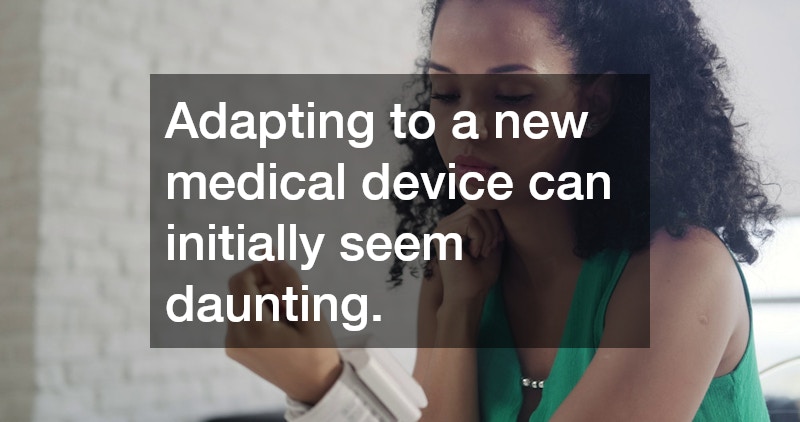
Adapting to a new medical device can initially seem daunting, but patience is key. It’s important to give oneself time to adjust to the weight, shape, and feel of the device. Gradual exposure can often help mitigate any immediate discomfort—start with wearing the device for short periods, and then gradually increase the duration. This approach allows both the body and mind to acclimate. Engaging with support groups can also provide insight and emotional support from others who have undergone similar transitions.
Understanding the device’s purpose and how it supports your health can also ease the adaptation process. Educating oneself about the device can alleviate anxiety and foster acceptance. Manufacturers often provide comprehensive guides and manuals that detail how to optimize the device’s use. Remember, the technology was designed to enhance quality of life, not hinder it. Coupled with professional advice and self-study, users can gain confidence and assurance in incorporating the device into their daily routine.
The visual impact of a device can also be a point of adjustment. Consider slowly introducing the device into social settings to reduce self-consciousness. Styling around the device by choosing suitable clothing options can ease the visual transition. Open conversations with friends and family can establish a support network that appreciates and adapts to the changes alongside you. Acceptance from oneself and others creates a supportive environment conducive to adjustment.
How can I deal with the discomfort and maintenance of the device?
Physical discomfort is a common concern among new device users. It’s advised to regularly examine the fit of the device to prevent issues such as skin irritation or pressure sores. Silicone or gel pads might be beneficial to alleviate pressure points. Implementing a consistent skin care routine can prevent irritation and is essential in overall device maintenance. Regular consultations with healthcare providers can offer professional insight into reducing discomfort.
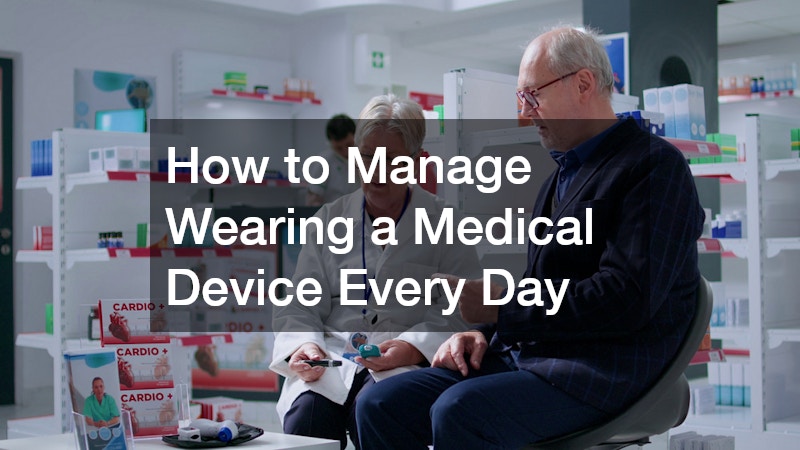
Device maintenance is integral to ensuring longevity and functionality. Understanding the specific maintenance needs of your device, whether it involves cleaning, wearable device tape, battery charging, or software updates, is crucial. Creating a maintenance schedule will help keep the device in optimal working order. These responsibilities might initially feel burdensome, but integrating them into daily routines helps establish them as second nature. Reading and understanding manufacturer instructions ensures compliance with best practices.
Emotional discomfort and device-related anxiety can be mitigated through proactive measures. Engage in mindfulness or relaxation techniques to manage stress and build resilience. Cognitive-behavioral strategies can also aid in reframing the experience from one of burden to empowerment. Having frank discussions with a mental health professional could provide tactics to cope better with the psychological aspects of wearing a device. Embracing a holistic approach that considers both physical and emotional wellness is essential.
How do I integrate wearing a medical device into my lifestyle?
Incorporating a medical device into one’s lifestyle involves re-evaluating daily routines. It’s essential to assess and modify activities to accommodate the device comfortably. Whether at work or leisure, ensuring environments are conducive to your needs enhances quality of life. Small changes, like organizing living spaces for easier device access, can make a significant difference. Acceptance of these adaptations fosters a proactive mindset in handling lifestyle shifts.
Social activities may require additional planning and foresight, but this shouldn’t limit participation. Informing close friends or partners about your needs allows for shared understanding and adjustments. Finding creative solutions and equipment that facilitate ease of use in social settings can maintain an active lifestyle. Support networks become vital in promoting inclusivity and understanding. Being involved and active in various circles enhances social well-being and reinforces confidence.
Work and physical activities might need tailored solutions to harmonize device wearing. Ergonomic adjustments in the workplace can alleviate physical strain. Consulting with employers to make necessary accommodations underlines the importance of understanding and compliance with regulatory measures. Exercise routines might need modification, understanding your new physical parameters ensures safety. Pursuing hobbies and interests actively engages the mind and solidifies the device as merely another facet of your lifestyle.
Managing daily life with a medical device is a learning process. With the right strategies and support, individuals can navigate challenges and comfortably integrate the device into their lives. Accepting the transformative journey, embracing learning curves, and celebrating small victories are imperative. Alongside patience and adaptability, resilience will cultivate a smoother transition into a life enhanced by the medical device. Remember, the path to well-being is continual, and with each step, confidence and familiarity take root.