

Relocating across state lines or clear across the country is an adventurous leap for any family. It represents new career opportunities, better schooling options, or simply a refreshing change of scenery. However, the physical process of hauling an entire household over hundreds or thousands of miles presents undeniable logistical hurdles. From coordinating timelines and protecting valuable belongings to managing family dynamics, the workload can quickly become overwhelming. Careful advanced planning makes the difference between a chaotic ordeal and a seamless journey. By breaking down the relocation into distinct, manageable phases, parents can keep stress levels low and maintain complete control over the process.
Establishing an organized management strategy starts months before the actual move date. Creating a centralized master planner, whether digital or physical, allows you to track contracts, estimates, inventories, and school records in one accessible location. Setting clear budget parameters early on helps prevent unexpected costs from accumulating down the road. Furthermore, discussing the transition openly with children builds anticipation rather than anxiety. Taking a structured, step-by-step approach gives your family the bandwidth needed to focus on the excitement of settling into a new community.
Choosing the Right Transportation and Relocation Strategy
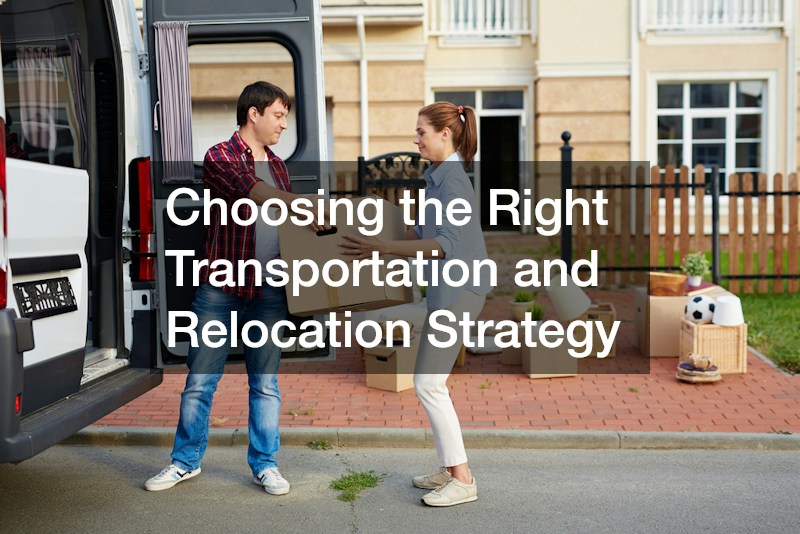
Selecting Professional Hauling Services for Cross-Country Moves
When moving across state lines, secured transportation is the backbone of your relocation plan, whether it be with moving companies or not. Securing qualified long-distance movers requires diligent research, checking licensing through federal transportation databases, and comparing multiple comprehensive estimates. Professional long haulers specialize in load distribution, long-distance transit logistics, and navigating large commercial vehicles through complex interstate routes. Relying on verified experts ensures that your household goods are properly protected against the vibrations and shifts typical of extended highway transit.
Evaluating DIY Truck Rentals for Regional Relocations
For families moving shorter distances or managing a tighter budget, renting a box truck offers direct control over the schedule. Utilizing local movers to assist exclusively with the heavy lifting at your destination or origin can create an ideal hybrid arrangement. Hiring a vetted local moving company for targeted labor eliminates the physical toll of loading heavy furniture while allowing you to maintain full authority over the driving timeline. This approach balances cost efficiency with physical comfort.
Utilizing Self Container Services for Flexible Timelines
If your move-in and move-out dates do not line up perfectly, portable storage units offer an excellent flexible alternative. Choosing a recommended storage container company allows you to load items gradually right from your driveway over several weeks. Once filled, the provider transports the unit directly to your new home or holds it at a secure facility until you are ready to unload. Using portable storage containers provides a seamless bridge between residences without requiring double-handling of your belongings.
Smart Decluttering and Packing Strategies

Conducting a Thorough Room-by-Room Inventory
Every pound of cargo added to an interstate move directly increases your final freight bill. Before wrapping a single dish, conduct a comprehensive audit of every room, attic, basement, and closet. Categorize items strictly into keep, donate, sell, or discard piles. Eliminating duplicate kitchenware, outgrown clothing, and bulky, worn-out furniture significantly reduces packing time, material costs, and overall transportation expenses.
Securing Proper Packing Supplies and Box Techniques
Using flimsy or discarded grocery boxes poses a severe risk to your delicate belongings during long transit stretches. Invest in heavy-duty, double-walled corrugated boxes specifically engineered for stacking inside cargo trailers. Pair these with high-quality packing tape, unprinted newsprint paper, and plenty of shock-absorbing bubble wrap. Always place heavy items like books in smaller boxes, reserving larger cartons for lighter textiles like linens, pillows, and winter coats.
Labeling and Categorizing for Immediate Identification
Clear identification systems drastically speed up the move-in process at your new home. Label every box on its side rather than the top so text remains readable when cartons are stacked high. Assign specific color-coded tape or markers to each room in the new floor plan. Detailed content lists on the outside of boxes eliminate the frustration of searching through dozens of sealed containers just to find a single kitchen appliance or bed sheet set.
Managing Essential Services and Financial Logistics
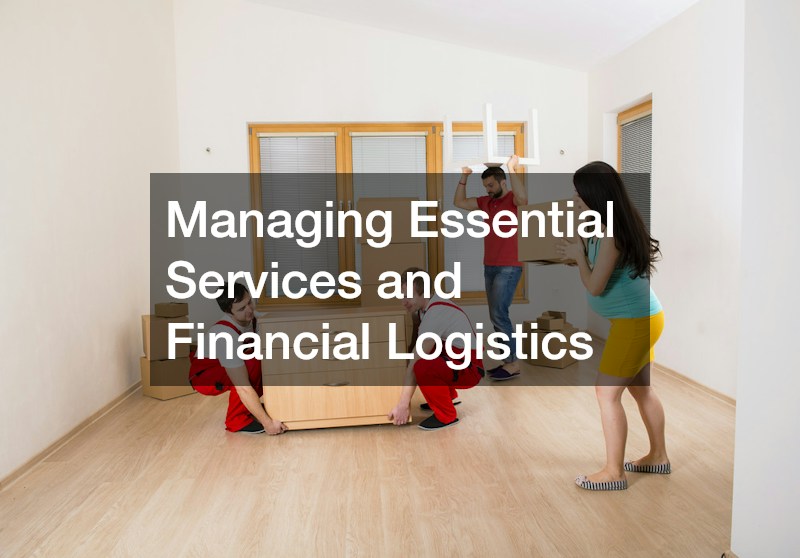
Safeguarding Moving Finances and Managing Hidden Costs
Maintaining financial control during an interstate move requires foresight beyond the initial estimate provided by long-distance movers. Hidden costs such as toll road fees, fuel surcharges, packing material surcharges, and temporary storage fees can quickly accumulate. Building a dedicated contingency budget equivalent to ten to fifteen percent of your total estimated moving service expense provides a necessary cushion for unexpected delays or emergency repairs.
Coordinating Utility Disconnections and Transfers
Few things are more frustrating than arriving at a new house after days on the road only to find the lights and hot water turned off. Schedule utility disconnections at your current residence for the day after you leave, and arrange for connections at your new address two days prior to arrival. This overlap ensures uninterrupted access to water, electricity, gas, and high-speed internet as soon as you step through the front door.
Transferring Vital Family Records and Accounts
Updating institutional documentation requires advance notice and methodical execution. Request official physical or digital copies of medical files, immunization records, dental histories, and veterinary charts. Contact current schools to initiate formal student transcript transfers well before registration deadlines at the new district. Concurrently, notify financial institutions, insurance providers, and government licensing agencies of your impending change of address.
Securing Temporary Housing Solutions for Intermediary Periods
When home closing schedules or lease start dates do not align, families often require intermediate shelter before taking full possession of their new residence. Coordinating with a flexible local moving company to hold your items in transit or utilizing portable storage containers allows you to transition into temporary corporate housing or short-term rentals without unpacking everything twice. Choosing a recommended storage container company ensures your household goods remain climate-protected while you finalize permanent living arrangements.
Finding Trusted Destination Support Services
Even when managing an interstate relocation, relying on specialized local moving services at your destination point makes setting up house vastly easier. Hiring crew members familiar with local access restrictions, tight parking arrangements, or staircases prevents last-minute moving day bottlenecks. Contracting professional local movers for the final unloading stage protects your new walls from scuffs and allows family members to focus on unpacking essential living quarters immediately.
Preparing the Family Vehicle for Extended Highway Travel

Performing Pre-Trip Mechanical Inspection Steps
If your relocation involves driving personal vehicles across multiple state lines, mechanical dependability is paramount. Schedule a thorough service appointment with a certified mechanic at least two weeks before your departure date. Have them check tire tread depth, brake pads, engine fluid levels, transmission integrity, battery health, and air conditioning systems. Addressing potential mechanical issues in advance eliminates dangerous roadside breakdowns on remote highways.
Assembling Emergency Roadside Safety Kits
Long highway drives across unfamiliar territory require extra precautions, especially when traveling with children or pets. Equipping each vehicle with dependable emergency equipment ensures you can handle minor roadside delays safely. Pack essential gear including jumper cables, tire pressure gauges, a portable air compressor, high-visibility hazard triangles, flashlights with extra batteries, a basic hand tool kit, and a comprehensive first aid kit.
Mapping Travel Routes and Lodging Reservations
Spontaneous road trips are fun, but cross-country family moves demand structure. Plan your driving route ahead of time, limiting daily travel to manageable six- to eight-hour stretches. Identify safe, family-friendly rest stops, gas stations, and restaurants along the route. Book pet-friendly hotel rooms well in advance to avoid limited availability during peak travel seasons, ensuring everyone gets a restful night of sleep.
Managing Moving Day Dynamics with Children and Pets
Creating First Day Survival Containers and Bags
On loading day, critical daily necessities often get mistakenly packed onto the back of a freight truck. Keep dedicated survival bags inside your personal vehicle containing three to five days worth of clothing, toiletries, prescription medications, chargers, favorite comfort toys, and essential paper documents. Additionally, pack a designated box with basic kitchenware, trash bags, paper towels, and instant coffee so you can function during your first night in the empty house.
Protecting Young Children and Pets During Loading
The heavy activity of moving day presents real safety hazards for small children and curious pets. Open doors, heavy furniture lifts, and constant foot traffic create an environment where accidents can easily happen. Arrange for a trusted babysitter, family member, or local daycare to care for young children offsite during peak loading hours. Similarly, secure pets in a quiet, closed room with food and water or board them locally until the truck is fully loaded and ready to roll.
Maintaining Familiar Routines During Transit
Children thrive on consistency, and the disruption of a major move can cause emotional distress. Maintain regular meal times, snack schedules, and bedtime routines as closely as possible throughout the journey. Prepare a dedicated activity tote filled with coloring books, puzzles, handheld games, and books to keep kids engaged during long hours in the car. Taking frequent outdoor breaks at parks or rest stops allows children to burn off energy safely.
Setting Up and Settling Into Your New Home
Inspecting Cargo and Managing Unpacking Priorities
Upon arrival at your new residence, conduct a walk-through before the unloading process begins. Check that all pre-arranged utilities are operational and document any pre-existing damage to the property. As items are brought inside, check boxes off against your master inventory checklist to ensure no cargo was lost in transit. Unpack bedrooms and bathrooms first so every family member has a comfortable bed and functional wash space on night one.
Room-by-Room Unpacking Timelines for Reduced Fatigue
Unpacking an entire household can feel daunting if tackled without a structured plan. Instead of attempting to open every box immediately, establish a room-by-room priority system over the first two weeks. Begin with primary bedrooms, functional bathrooms, and basic kitchen essentials before moving on to home offices, playrooms, and outdoor spaces. Relying on local movers or specialized residential moving services for initial heavy lifting and furniture placement ensures your primary living spaces are fully operational from day one.
Engaging Local Support for Heavy Assembly
Setting up a new home involves extensive lifting, furniture reassembly, and spatial rearrangement. Tapping into flexible residential moving services for post-arrival labor saves time and prevents physical injury. Engaging a dependable moving service to position heavy dressers, assemble bed frames, and arrange bulky sectional sofas ensures that your home quickly becomes functional without putting unnecessary physical strain on family members.
Optimizing Long-Term Home Organization from Day One
Moving into a clean space offers a unique opportunity to establish sustainable organizational systems. As you unbox kitchenware, pantry goods, and closet items, place them with future daily routines in mind rather than rushing to clear cardboard out of sight. Utilizing clear storage bins, shelf risers, and labeled drawers prevents clutter from reaccumulating in your new home.
Maintaining Automobile and Equipment Readiness
After completing a multi-day highway journey across state lines, your personal vehicles require routine maintenance to ensure continued reliability. Schedule a post-trip service checkup to address tire wear, inspect fluid levels, and check brake systems after heavy hauling. Ensure all automotive safety gear and emergency equipment are refreshed and properly stored back in the vehicle for future family road trips.
Enhancing Long-Term Family Adjustment and Community Integration
Establishing School Transitions and Community Connections
Helping children integrate into a new academic environment requires proactive communication with school administrators, guidance counselors, and teachers. Schedule school visits prior to the official start date so your children can tour the facilities, locate their classrooms, and meet key staff members. Additionally, researching municipal programs and enrolling in local moving services or sports leagues helps children establish new friendships rapidly, turning an unfamiliar town into a supportive home base.
Establishing New Daily Routines and Local Support Networks
Re-establishing familiar daily habits helps restore a sense of normalcy after weeks of moving-related disruption. Set up regular sleep schedules, meal times, and weekend family activities early in the transition phase. Seek out new healthcare providers, pediatricians, mechanics, and local moving services for any remaining home adjustments to build a dependable network of local professionals.
Integrating Smoothly Into the New Neighborhood
Once the physical boxes are cleared, pivot toward building connections within your new community. Take short walks around the neighborhood to meet adjacent residents, locate nearby parks, and find local grocery stores, pharmacies, and medical clinics. Registering for school orientation events, joining community centers, and exploring local recreational spots speeds up the emotional transition for kids, transforming an unfamiliar house into a true family home.
Celebrating Milestones and Settling In Gracefully
Acknowledge the effort your family invested throughout the entire moving process by celebrating small milestones along the way. Hosting a low-key family dinner on your first night in the new house or exploring a local park on your first weekend fosters positive associations with the new location. With thoughtful organization and patience, the logistical challenges of relocating recede, leaving your family settled, secure, and ready for the future.
A long-distance family move is undoubtedly a major undertaking, but it does not have to be an overwhelming source of anxiety. Success lies in early preparation, structured organization, and recognizing when to delegate heavy tasks to professional teams. By tackling tasks in clear stages—from early decluttering and securing transportation to managing road travel and settling into your new neighborhood—you maintain complete control over the process. With the right roadmap in place, your family can navigate the miles with confidence, turning a complex relocation into an exciting, memorable adventure.