For decades, society viewed addiction through a lens of judgment, treating it as a moral failing or a lack of willpower. Today, modern medicine offers a much more compassionate and accurate perspective: addiction is a complex, chronic brain disease. Overcoming a dependency on drugs or alcohol is an uphill battle for millions of people worldwide, not because they lack strength, but because their bodies have physically changed. To truly heal and achieve long-term recovery, we must understand the underlying biological roots of dependency and utilize the comprehensive, structured support of a dedicated drug treatment rehabilitation center.
The Complex Science Behind Dependency
To understand why stopping substance use is so incredibly difficult, we have to look past outward behaviors and look directly at neurological reality. Substance use completely shifts how the brain perceives pleasure, survival, and safety, turning a choice into a physical compulsion.
How Addiction Alters Brain Chemistry
Every time a person uses a substance, it floods the brain’s reward pathway with dopamine, the chemical responsible for feelings of pleasure and satisfaction. Over time, artificial substances hijack this natural system, releasing dopamine at levels far higher than healthy activities ever could. In response to this overwhelming stimulation, the brain attempts to protect itself through neuroadaptation, meaning it reduces its natural dopamine production and shuts down receptors.
This process leads to tolerance, where a person needs increasingly larger amounts of the substance just to feel normal. When the drug wears off, the brain is left in a deficit, making everyday life feel completely flat, painful, or impossible to endure without a fix.
How Genetic Vulnerability Influences Addiction Risks
While brain chemistry changes for anyone who uses substances heavily, certain individuals are far more susceptible to these changes from their very first dose. Medical research shows that genetics accounts for roughly half of a person’s vulnerability to developing a substance use disorder.
However, DNA is not destiny. Environmental triggers play an equally massive role. Factors such as childhood trauma, chronic socioeconomic stress, early exposure to substances, and peer influence can flip the genetic switches that lead to chronic dependency.
Why True Recovery Requires Professional Intervention
Because addiction alters both the physical structure of the brain and a person’s psychological coping mechanisms, treating it requires much more than just a desire to change. This is precisely where the multi-layered care of a drug treatment rehabilitation center becomes indispensable.
The Limitations of “White-Knuckling” It Alone
Many individuals attempt to quit using substances through sheer willpower, a method often referred to as “white-knuckling.” While the intention is admirable, this approach usually fails because it ignores the deep-rooted physical cravings and subconscious habits embedded in the nervous system. When stress strikes, the brain defaults to its wired survival mechanism, which is the substance.
Navigating the Dangers of Medical Detox
The very first step of stopping substance use involves clearing the toxins from the body, but sudden withdrawal can be incredibly dangerous. Depending on the substance, withdrawal symptoms can range from severe dehydration and hallucinations to life-threatening seizures. A clinical environment provides continuous medical monitoring, ensuring that detox is not only physically safe but as comfortable as possible.
Unpacking Co-Occurring Mental Health Disorders
Addiction rarely exists in a vacuum. Millions of individuals struggle with a dual diagnosis, meaning their substance use disorder co-exists with a mental health condition like depression, anxiety, or post-traumatic stress disorder. In many cases, people use drugs or alcohol to self-medicate their underlying psychological pain. Professional facilities treat both conditions simultaneously, ensuring that one does not trigger a relapse in the other.
Finding a Path Forward
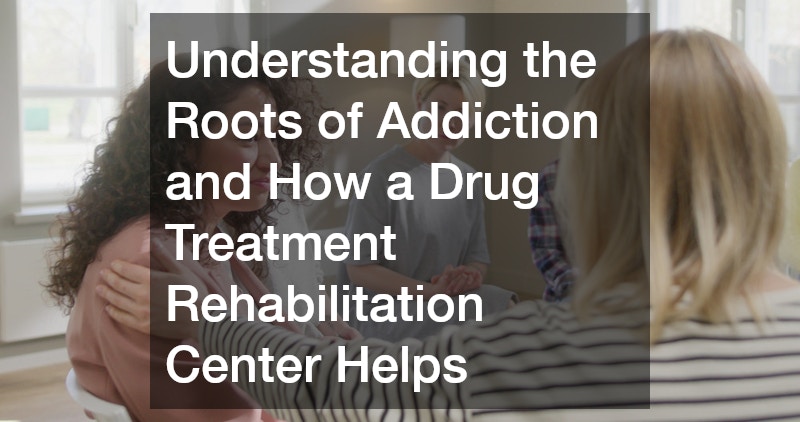
Recognizing that you or someone you love needs help is a monumental step. True recovery requires shifting away from isolation and moving toward a supportive community designed to help you rebuild your life from the ground up.
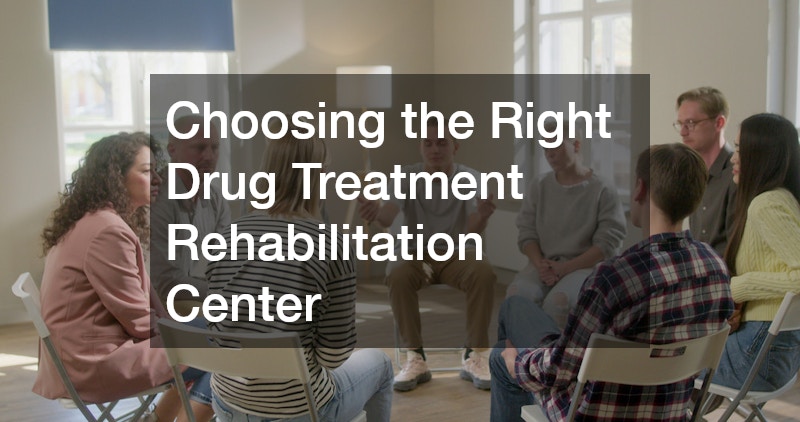
Choosing the Right Drug Treatment Rehabilitation Center
When looking for a facility, it is essential to find a program that treats the whole person, not just the physical symptoms. Look for centers that boast proper clinical accreditations, offer highly individualized treatment plans tailored to your specific history, and provide robust aftercare programs to support you after graduation. Remember, reaching out for professional guidance is a sign of immense courage and strength.
Addiction is undeniably tough to treat because it alters the very chemistry of the brain, but it is entirely treatable when you have access to the right scientific tools, medical expertise, and emotional support. If you or someone you love is ready to take the first step toward a healthier, brighter future, reach out to a professional drug treatment rehabilitation center today for a private, confidential consultation.