
Severe weather has a way of disrupting daily life with little warning, forcing families to make quick decisions that can have lasting consequences. From heavy rain and flooding to high winds, ice, or prolonged power outages, storms introduce a wide range of risks that extend beyond immediate safety concerns. Homes, vehicles, utilities, and personal routines can all be affected, sometimes for days or even weeks. Because of this uncertainty, families benefit from taking a proactive, informed approach rather than relying on last-minute reactions.
Preparing for a storm is not only about stocking supplies or watching weather updates. It involves understanding which household systems are most vulnerable, knowing which professional resources may be needed, and planning how to respond when normal services are interrupted. A well-thought-out plan allows families to focus on safety and communication instead of scrambling for solutions while conditions are already worsening. This level of preparation also helps reduce stress, particularly for households with children, elderly family members, or pets who may need extra care during emergencies.
Reliable resources play a key role in this process. Knowing where to turn for help—before a storm arrives—can shorten recovery time and limit damage to property. Preparing for a storm with a clear understanding of available support makes it easier to act decisively when conditions change. By building awareness around essential services, home infrastructure, and community-based assistance, families can move into storm season with greater confidence and stability.

Protecting the Home’s Exterior and Structural Integrity
The exterior of a home serves as the first line of defense against severe weather, making it one of the most critical areas to evaluate ahead of time. High winds, hail, heavy rain, and falling debris all place stress on a structure’s outer components. Families who take the time to inspect siding, roofing materials, gutters, and entry points are better positioned to prevent minor vulnerabilities from escalating into major problems during a storm.
One of the most common issues families face involves compromised roofing materials. Loose shingles, aging flashing, or worn seals around vents can allow moisture to penetrate the home when rainfall intensifies. Addressing these issues early with a residential roofing service can help reduce the likelihood of leaks or interior water damage. Preventive attention is particularly valuable when preparing for a storm season that historically brings strong winds or heavy precipitation.
Even with a proactive inspection, some issues only become obvious once materials are stressed by wind and driving rain. In those cases, arranging roof repair services before the forecast worsens can help address lifted shingles, compromised flashing, or small punctures that may otherwise turn into interior leaks. Taking care of these vulnerabilities early supports better moisture control and reduces the likelihood of emergency damage once conditions intensify.
Another consideration is the condition of windows and doors. Proper sealing helps keep wind-driven rain from entering the home while also improving energy efficiency during extreme temperature shifts. Storm shutters or impact-resistant glass may be appropriate in certain regions, especially where hurricanes or severe thunderstorms are common. Even simple measures, such as trimming nearby branches or securing outdoor fixtures, can significantly reduce the risk of exterior damage. Preparing for a storm also means understanding how drainage systems interact with the home’s exterior. Clogged gutters or downspouts can cause water to pool near the foundation, increasing the chance of basement leaks or structural weakening. By maintaining these systems and ensuring water is directed away from the house, families create an added layer of protection that supports both safety and long-term property stability.
Addressing Interior Systems That Support Daily Living
While exterior protection is vital, a home’s interior systems are equally important when it comes to weather preparedness. Plumbing, electrical, and climate-control systems all influence how comfortably and safely a family can remain at home during and after a storm. Damage to these systems often occurs quietly, becoming noticeable only once the storm has passed and disruptions begin to surface.
Plumbing is a common concern, especially during periods of heavy rain or flooding. Saturated soil can place pressure on underground pipes, leading to backups or breaks. Families who have older infrastructure may be more vulnerable to issues requiring sewer line repairs, which can be disruptive and costly if left unaddressed. Understanding the condition of these systems in advance allows homeowners to act quickly if warning signs appear.
Septic systems also deserve attention in areas without municipal sewer connections. Prolonged rainfall can overwhelm drain fields, causing slow drainage or unpleasant odors inside the home. In these situations, professional drain field repairs may be necessary to restore proper function. Knowing who to contact before a storm makes it easier to respond without delay.
Preparing for a storm includes safeguarding electrical systems as well. Power surges, outages, and water exposure can damage wiring and appliances. Surge protectors, backup power options, and clearly labeled breaker panels help families manage electrical risks more effectively. When interior systems are maintained and understood, households are better equipped to stay safe and functional even when external conditions are unpredictable.
Maintaining Climate Control and Indoor Comfort During Severe Weather
Indoor comfort may seem secondary during an emergency, but it directly affects health, morale, and safety—especially during prolonged weather events. Extreme cold or heat can create dangerous living conditions if heating or cooling systems fail. For families with young children, older adults, or medical needs, maintaining a stable indoor environment becomes a priority when preparing for a storm.
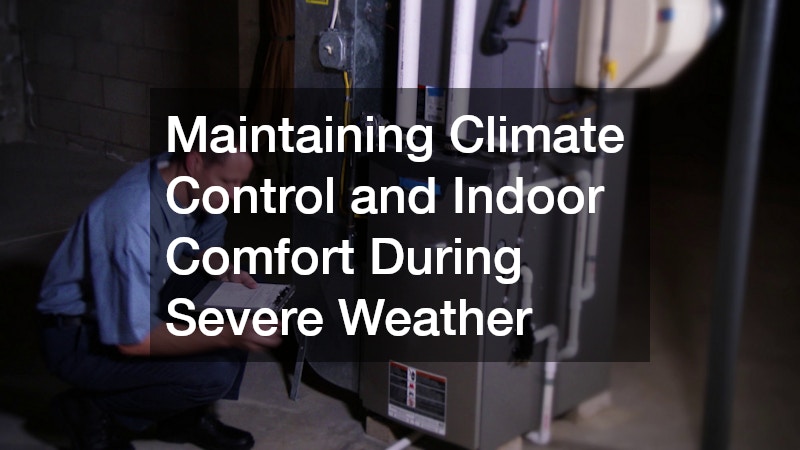
Heating systems are particularly important in regions where winter storms bring freezing temperatures. A malfunctioning furnace during a power outage or cold snap can quickly turn a home into an unsafe space. Scheduling routine inspections and addressing issues that may require furnace repairs ahead of time reduces the likelihood of breakdowns when demand is highest. This proactive approach supports both comfort and safety during extended weather disruptions.
Ventilation and air quality also play a role. Storm conditions may force families to keep windows closed for long periods, increasing reliance on indoor air circulation. Clean filters and properly functioning systems help maintain healthier air, especially when outdoor conditions limit fresh airflow. In some cases, portable heaters or cooling units can serve as temporary solutions, but they should be used carefully and according to safety guidelines.
Preparing for a storm means recognizing that comfort contributes to resilience. When families can stay warm, cool, and breathe clean air, they are better able to focus on communication, decision-making, and recovery efforts. Investing time in climate-control readiness reduces unnecessary hardship and supports a more stable household environment throughout the storm period.
Safeguarding Outdoor Features and Recreational Spaces
Outdoor structures and recreational features are often overlooked during storm planning, yet they can sustain significant damage if not properly secured. Fences, patios, decks, and pool enclosures are exposed to wind and debris, making them vulnerable during severe weather. Families who assess these areas in advance reduce the risk of costly repairs and safety hazards.
Pools, in particular, require special attention. Screens, enclosures, and covers can be damaged by high winds or falling branches. Addressing potential weaknesses through pool screen repairs before storm season helps prevent torn materials and structural failures. Properly secured pool areas also reduce the chance of debris contaminating the water, simplifying cleanup after the storm.
Yards and landscaping can contribute to storm damage if not managed carefully. Overgrown trees, loose decorative elements, and unsecured furniture can become airborne hazards. Preparing for a storm by trimming trees, anchoring outdoor items, and clearing drainage paths helps protect both the home and neighboring properties.
These outdoor measures also support faster recovery. When recreational spaces are preserved, families can return to normal routines more quickly once conditions improve. Preparing for a storm with attention to outdoor features ensures that safety, usability, and property value are maintained even after severe weather passes.

Planning for Mobility and Transportation Challenges
Storms do not only affect homes; they also disrupt transportation and mobility. Flooded roads, fallen trees, and icy conditions can make travel dangerous or impossible. Families who rely on personal vehicles for work, school, or medical needs must consider how they will respond if normal transportation routes are blocked.
Vehicle preparedness starts with routine maintenance. Ensuring tires, brakes, and fluids are in good condition reduces the risk of breakdowns during adverse weather. Keeping emergency supplies in the car—such as blankets, water, and flashlights—adds another layer of readiness. When traveling becomes unavoidable, knowing where to seek help is essential. Access to an emergency roadside assistance service can provide support if a vehicle becomes disabled during or after a storm.
Planning also involves understanding local infrastructure. Families should identify alternative routes, public transportation options, or safe locations in case evacuation becomes necessary. Communication plans help ensure everyone knows where to go and how to stay connected if conditions change quickly.
Preparing for a storm includes recognizing that mobility challenges can affect access to essential services. By planning ahead and maintaining reliable transportation resources, families reduce uncertainty and improve their ability to adapt when weather disrupts daily movement.
Managing Environmental Hazards Around the Property
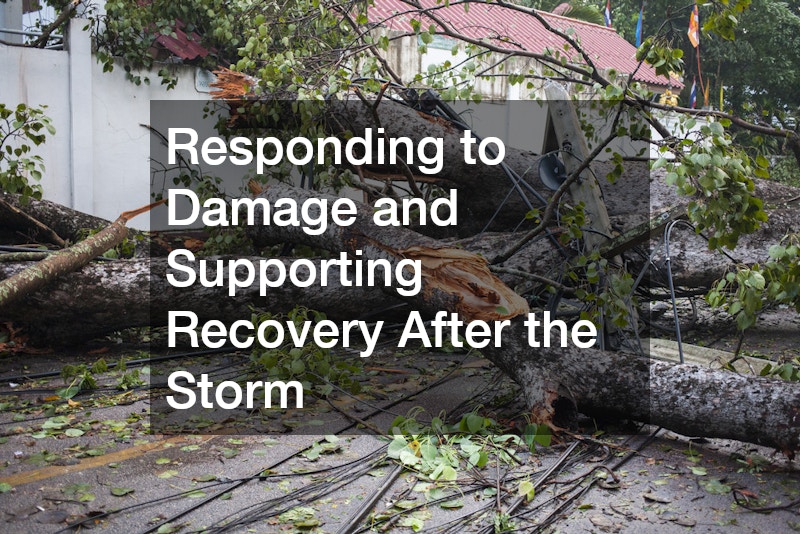
Environmental hazards often intensify during storms, particularly when trees and natural features are involved. High winds and saturated soil increase the likelihood of falling branches or uprooted trees, which can damage homes, vehicles, and power lines. Identifying these risks early allows families to take preventive action before a storm arrives.
Trees close to structures should be evaluated for signs of weakness, such as leaning trunks, dead branches, or root exposure. Working with tree removal companies to address hazardous growth reduces the chance of sudden damage during high-wind events. Even routine pruning can make a significant difference in how trees respond to severe weather.
Environmental hazards also include erosion and shifting soil. Heavy rain can alter landscapes, affecting foundations and walkways. Maintaining proper grading and drainage helps control water flow and reduces the risk of structural impact. Preparing for a storm by addressing these environmental factors supports both immediate safety and long-term property health. Families benefit from understanding how natural elements interact with built environments. When environmental risks are managed proactively, storms are less likely to cause sudden, severe damage that disrupts daily life and requires extensive recovery efforts.
Responding to Damage and Supporting Recovery After the Storm
Even with careful planning, storms can still cause damage that requires professional intervention. Knowing how to respond efficiently after conditions improve helps families regain stability more quickly. This phase of preparing for a storm focuses on recovery rather than prevention, emphasizing timely assessment and coordinated action.
Water intrusion is one of the most common post-storm issues. Flooding, leaks, or moisture buildup can compromise structural materials and create unhealthy conditions if not addressed promptly. Professional water damage restoration services help remove moisture, dry affected areas, and prevent long-term complications such as mold growth. Acting quickly minimizes disruption and supports a safer living environment.
In cases of widespread damage, families may need broader assistance. Disaster restoration companies often coordinate multiple repair and cleanup efforts, streamlining the recovery process when several systems are affected at once. Understanding these resources in advance allows families to make informed decisions during stressful situations.
Preparing for a storm includes planning for what comes after. Recovery is easier when families know who to contact, what steps to take, and how to prioritize repairs. By viewing preparation as a continuous process that extends beyond the storm itself, households build resilience that supports both immediate recovery and future readiness.