

Engaging children in extracurricular activities from an early age is essential for their growth and development. These activities are not just add-ons to a child’s education; they play a crucial role in shaping their future. From preschool to high school graduation, extracurriculars enrich a child’s educational journey by introducing them to new subjects and friends outside the classroom environment.
Participation in extracurricular activities can significantly impact a child’s academic performance and personal growth. Activities offered by early learning centers and preschools cater to different interests and learning styles. These programs, ranging from art, music, and physical activities to more intellectual pursuits, provide children with the opportunity to explore the world around them in a structured yet creative way.
As children grow, extracurricular offerings evolve, introducing them to advanced and diverse opportunities. Afterschool programs, sports teams, and clubs play a critical role in developing essential social skills and teamwork. Extracurriculars help children build self-esteem and confidence by allowing them to achieve goals outside the traditional classroom setting, preparing them for lifelong learning and success.
The variety of extracurricular activities also plays a role in accommodating different learning preferences, ensuring that children with various interests find engaging outlets. By participating in these programs, children learn to adapt to new environments and embrace diversity, which is crucial in today’s interconnected world. Overall, the comprehensive development fostered by these activities encourages children to become well-rounded individuals and community-minded citizens with a focus on adaptation and inclusivity.
Extracurriculars For Preschoolers
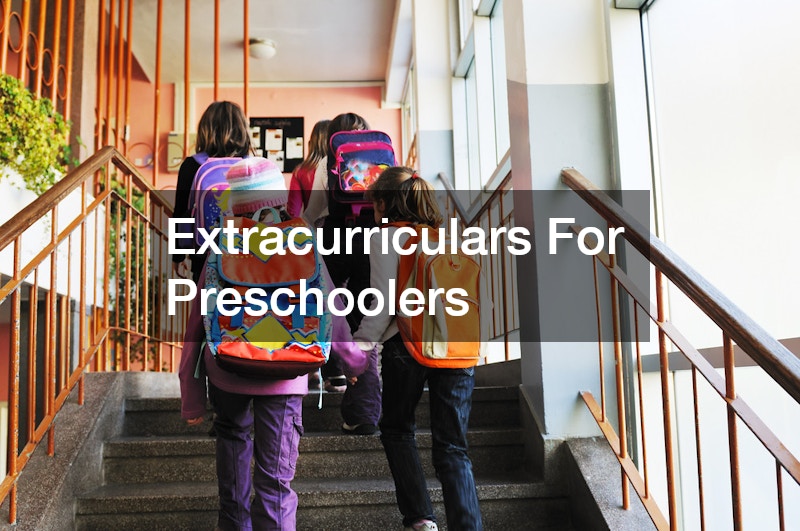
Preschools serve as the first structured educational experience for most children, where they are introduced to learning through play and creativity. Early exposure to extracurricular activities at an early learning center helps set the foundation for a lifetime of learning. Activities such as music classes, storytelling, and art projects nurture a child’s creativity and foster a love for learning.
Art camps for preschoolers are a fantastic way to promote creative expression, as they offer a social environment where children learn communication and teamwork. Even simple activities like finger painting or crafting can stimulate young minds and prepare them for academic challenges ahead. These experiences are invaluable in shaping a child’s outlook and attitudes towards education.
Swim schools can also be an excellent part of extracurriculars for this age group. Early exposure to water safety and swimming is both a fun experience and a crucial life skill. Swim lessons focus on fun while ensuring the fundamentals of safety and physical exercise, contributing to a well-rounded development.
Additionally, preschoolers benefit from early engagement in physical activities that promote fine and gross motor skills. These activities are crucial in the early development phase as they lay the groundwork for more complex physical actions that occur later. Structure and routine provided by extracurriculars help young children feel secure and confident, encouraging healthy emotional development.
Furthermore, involvement in varied extracurricular activities enhances cognitive development in preschoolers. Activities like storytelling sessions at preschools or interactive play in art camps encourage language development and ignite imagination. By providing multiple channels for exploration and curiosity, these activities nurture a child’s holistic growth.
Elementary School Extracurricular Opportunities
As children enter elementary school, extracurricular activities become more structured and tailored to individual interests. Afterschool programs expand beyond the arts to include sports, science clubs, and more diverse subjects. These programs provide a safe environment for children to explore interests not typically covered in standard curriculums, sparking curiosity and innovation.
Summer programs offer elementary-aged children the opportunity to dive deeper into specific interests during extended school breaks. Whether in math camps or nature experiences, these immersive adventures can ignite a lifelong passion within a child. The emphasis on learning in a fun and engaging way helps reinforce the idea that education is an enjoyable and continuous journey.
Engaging in hobbies like playing with Pokemon cards can also be educational. These activities teach strategic thinking, enhance social skills, and foster a sense of community. The emphasis on interaction with peers helps build essential life skills that benefit students far beyond their academic pursuits.
Participation in elementary school extracurriculars encourages independence, as students are often required to make decisions about their involvement and commitments. This opportunity to choose their paths fosters a sense of responsibility and motivates them to follow through with their interests. Ultimately, elementary extracurricular activities play an essential role in shaping mature and accountable young individuals.
Moreover, elementary extracurriculars provide an avenue for children to discover new talents and develop existing ones. These programs encourage experimentation and creativity, offering platforms for children to express themselves free from academic constraints. Such creative outlets are foundational in cultivating individuality and self-awareness during formative years.
Middle School Extracurriculars
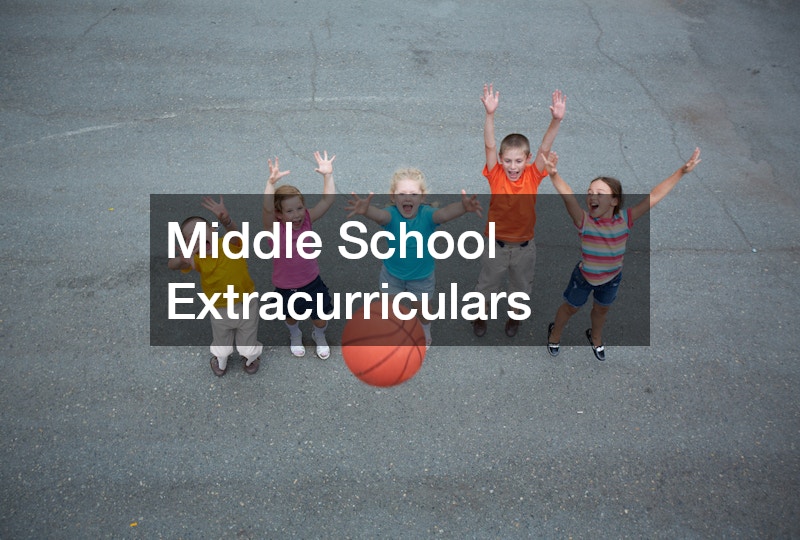
The transition to middle school often means adjusting to new social structures and increased academic demands. Extracurricular activities during this time provide a stable, engaging constant amid these changes. Popular options like sports, debate clubs, and music or drama classes offer outlets for creative and social expression.
Afterschool programs in middle school are key in helping students manage their time effectively. Balancing homework with extracurricular interests fosters independence and vital time-management skills. These experiences lay the foundation for future success by teaching students how to prioritize and organize their responsibilities.
Participation in swim schools can continue into middle school, where students focus on refining techniques or joining swim teams. Swimming serves as stress relief and offers social interaction among peers, making it more than just an exercise activity. The continuity in activities helps students maintain consistency in their physical health and social lives during their educational journey.
Moreover, middle school presents an excellent time to explore specialized interests such as coding, robotics, or environmental clubs. Engaging in these activities provides a platform for students to apply their curious minds to real-world problems, enhancing problem-solving and critical thinking skills. The collaborative nature of middle school extracurriculars fosters an inclusive environment, encouraging students to learn from one another and cultivate mutual respect.
This period is also crucial in developing leadership skills, with many students taking on roles within their chosen activities. These leadership experiences shape self-confidence and resilience, empowering students to pursue challenges and act independently. As they lead peers, students embrace responsibility, learning to guide, motivate, and support others effectively.
Navigating Adolescent Dynamics Through Extracurriculars
Middle school represents a critical phase characterized by rapid social and personal changes. Extracurricular activities serve as a stabilizing factor that helps students navigate adolescence amid evolving dynamics. From participation in swim schools to engaging in diverse club activities, these programs offer continuity amidst change.
During these formative years, students develop stronger identity awareness, and extracurricular programs provide opportunities to explore personal interests. For instance, learning in art camps can empower students to express themselves more creatively. Understanding one’s strengths and passions during middle school is crucial for lifetime fulfillment.
The supportive environment facilitated by extracurriculars allows students to make mistakes and learn from them without judgment. Peer interaction within these groups fosters empathy and understanding among adolescents. Such interpersonal growth translates into skills beneficial for both personal relationships and academic collaboration.
Extracurriculars also play a central role in helping adolescents manage stress and anxiety associated with this transitional period. By engaging in familiar activities, students gain a reprieve from academic pressure, fostering mental well-being. These positive experiences contribute to improved social interactions and emotional resilience in middle schoolers.
Furthermore, extracurricular activities encourage adolescents to challenge societal norms and independently explore ideologies. As students engage with peers in diverse settings, they are exposed to new ideas and perspectives, promoting cultural awareness and acceptance. This broadens their worldview, nurturing informed, open-minded individuals prepared to engage constructively with the wider societal fabric.
Extracurricular Activities In High School
High school is a pivotal period for academic and personal growth, where students prepare for college and future careers. Extracurricular activities enhance college applications by showcasing a student’s commitment and multidimensional skills. Clubs like debate, student council, and athletics offer leadership opportunities and develop valuable life skills.
Summer programs for high school students are often more academically focused, with highlights like STEM camps, language immersion, or writing workshops. These options allow students to delve deeper into subjects of interest, potentially discovering career ideas. Engaging in such initiatives readies students for the demands of higher education and specialized career paths.
Private SAT tutors work as part of extracurriculars to help high school students prepare for standardized tests. These tutors offer personalized strategies to excel, emphasizing the importance of tailored instruction. Proper preparation from these sessions can be crucial in achieving the scores often needed for college admission.
Beyond academic benefits, high school extracurriculars are essential for developing interpersonal skills, networking, and peer collaborations. Participation in these activities helps students build lifelong friendships and establish support networks crucial for their personal and professional lives. These activities also provide high schoolers with opportunities to give back to the community, as many programs include service components that teach students the value of contribution and empathy.
High school extracurriculars greatly impact a student’s sense of identity and future ambitions. By engaging in diverse activities, students often gain clarity on their personal goals and lay the groundwork for career paths. This introspection and self-discovery are as important as any academic accolade, setting the stage for a fulfilling life journey.
Life Skills And Extracurriculars
Beyond academic and artistic pursuits, extracurricular activities also encompass life skills, vital for all stages of a child’s development. Driving classes, for instance, are an essential extracurricular component for high school students, ensuring they learn responsibility and independence. These life lessons contribute significantly to readiness for adulthood and broader societal participation.
Art camps contribute to teaching soft skills such as empathy, communication, and cultural awareness, molding well-rounded individuals. Participation in these programs facilitates personal growth, allowing students to face diverse challenges. The exposure to varied art forms and perspectives fosters greater understanding and acceptance in society.
Shared learning experiences, whether in swim schools or trading Pokémon cards, build unity and camaraderie among students. This social aspect is integral to extracurricular activities, emphasizing interpersonal relations alongside practical learning. The value of such interactions cannot be underestimated, as they create a strong foundation for community-building and personal relationships.
Skills acquired from extracurricular activities provide a solid foundation for handling the complexities of adult life. By learning to navigate diverse groups and challenges, students are better equipped to adapt to varied environments and work cultures. Ultimately, these skills foster resilience and a proactive mindset that prepares students beyond just educational criteria.
The Role Of School Camps For New And Returning Students
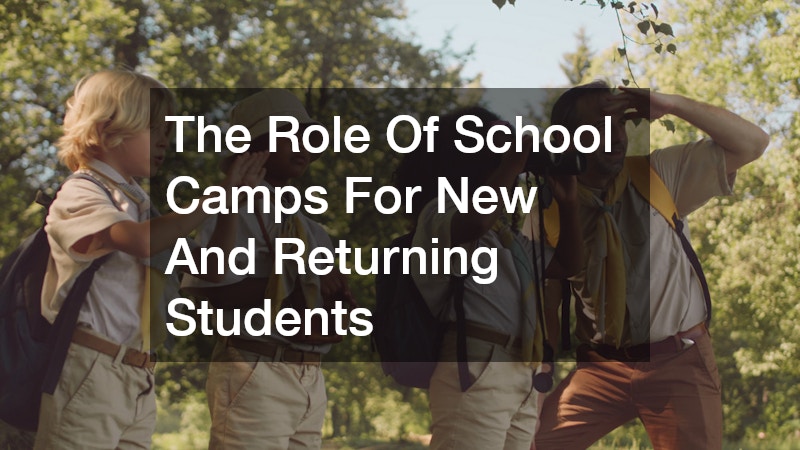
Each year, extracurricular programs welcome both new campers and returning participants, ensuring a dynamic learning environment. New campers infuse programs with fresh energy and perspectives, encouraging a dynamic and innovative atmosphere. Conversely, returning students often embody leadership roles, mentoring newcomers and proving the growth opportunities inherent in these activities.
The support and integration offered to new campers ensure seamless transition into the group dynamic. Encouraged to explore an array of activities, new campers discover interests and develop their talents in a nurturing setting. Meanwhile, returning participants continue to refine their skills, building on previous experiences to reach new heights of achievement.
This synergy between new campers and veterans highlights the continuous learning and personal development fostered through these programs. The cyclical nature of learning and teaching created therein is invaluable in shaping adaptable, knowledgeable individuals ready to face future challenges. These shared experiences underscore the importance of community engagement and collaboration in personal growth.
Returning students provide continuity and a sense of mentorship within programs, creating a legacy of learning that benefits the entire group. The relationship between new and returning participants often fosters a collaborative learning spirit, where shared experiences enrich the overall dynamic. Ultimately, this cohesive blend of fresh perspectives and seasoned expertise nurtures an inclusive and growth-oriented environment for all participants.
The cycle of renewal and mentorship encourages an environment where everyone can thrive. New campers input fresh ideas while seasoned participants anchor activities with stability and support. This robust interaction greatly enriches the extracurricular experience by promoting innovative thinking and camaraderie.
The Lasting Impact Of Extracurricular Activities
Participation in extracurricular activities from preschool through high school significantly contributes to a child’s holistic development. These activities cultivate a balance of academic, social, and life skills, vital for personal growth and future success. Programs provided by early learning centers and structured programs expand a child’s perspective, offering opportunities to explore diverse interests and discover new passions.
As students progress, the activities they choose shape their academic and career trajectories, sparking lifelong interests. Whether through afterschool programs, summer camps, or specialized tutoring, each exposure creates a rich tapestry of learning experiences. These engagements enhance educational outcomes while fostering lifelong friendships and community connections.
Extracurricular activities form the foundation for instilling a love for lifelong learning and the self-assuredness needed to tackle any challenge. By presenting endless possibilities, these programs cultivate well-rounded individuals ready to navigate and excel in our evolving world. Through this wide array of activities, students are prepared to embark on successful, fulfilling lives well beyond their school years.